
Herb List

Balm
Melissa officinalis, commonly called lemon balm, is a bushy herbaceous perennial of the mint family that is typically grown in herb gardens and border fronts for its lemon-scented leaves. It is native to southern Europe, but has escaped gardens and naturalized in many parts of the U.S. (Eastern, Midwestern and Pacific Northwest states). Wrinkled, ovate, medium green leaves (to 3” long) appear in pairs on square stems rising to 2’ tall. Tiny, two-lipped, white flowers appear in the leaf axils throughout summer. Although the flowers are ornamentally inconspicuous, honey bees love them. Leaves are edible and may be added to salads, soups, sauces or vegetables. Leaves are also used to flavor teas. Dried leaves may be added to sachets and potpourri. Plants also have a history of herbal medicine usage for a variety of purposes including, inter alia, calming nervous disorders, soothing insect bites and treating colds

Basil
Sweet Thai Basil (Ocimum basilicum var. thyrsiflora) is an aromatic herb with spicy, anise-clove flavors, pointy green leaves, and distinctive purple stems/flowers, crucial in Southeast Asian cooking for curries, pho, and stir-fries, offering a robust taste that holds up in heat unlike sweet basil. Pinch flowers to encourage bushing and improve flavor of leaves.

Basil
Ocimum basilicum, commonly called sweet basil, is a herbaceous annual or short-lived perennial native to tropical regions of Africa and Asia. It is cultivated worldwide for use as a culinary herb. Plants are variable, ranging in size from 6" to 2.5' tall with ovate to oblong, glossy, fragrant leaves oppositely arranged on square stems. Terminal flower spikes reaching 4-8" tall emerge in summer. The small, white to purple flowers are attractive to insect pollinators.

Basil
holy basil, (Ocimum tenuiflorum), flowering plant of the mint family (Lamiaceae) grown for its aromatic leaves. Holy basil is native to the Indian subcontinent and grows throughout Southeast Asia. The plant is widely used in Ayurvedic and folk medicine, often as an herbal tea for a variety of ailments, and is considered sacred in Hinduism. It is also used as a culinary herb with a pungent flavor that intensifies with cooking. It is reminiscent of clove

Basil
Cardinal Basil (Ocimum basilicum 'Cardinal') is a striking ornamental and culinary herb known for its vibrant, deep red/burgundy flower spikes (bracts), strong spicy-clove scent, and lush dark green foliage, making it a popular choice for gardens, containers, and floral arrangements, attracting pollinators with its showy blooms and offering a bolder flavor than sweet basil for various cuisines

Basil
Spicy Globe Basil is a compact, ornamental basil known for its tiny, aromatic leaves and a unique spicy, cinnamon-like, peppery flavor, forming a neat, bushy, round shape (about 6-12 inches tall) perfect for containers, window boxes, or edging. It's an annual with small white flowers, offering a potent flavor in a miniature package, making it great for adding zest to dishes or for garnishes.

Basil
Aristotle basil is a versatile herb with both culinary and ornamental uses. Its fragrant, oval green leaves, which emerge chartreuse in spring, are zesty and flavorful, making them ideal for fresh eating, cooking, and seasoning. It's a popular addition to dishes like pesto, tomato sauces, soups, and salads, as well as marinades and stuffed dishes. Beyond the kitchen, it can be grown in containers, flower gardens, or along paths where it can release its anise aroma when brushed

Basil
Cinnamon basil, known for its distinct cinnamon-like fragrance and flavor, is a versatile herb with both culinary and ornamental uses. It can be used fresh or dried in a variety of dishes, from savory to sweet, and even in beverages. Additionally, its attractive appearance makes it a good choice for gardens and container arrangements, and its scent can help repel pests and mosquitoes

Basil
Lettuce Leaf basil is a versatile herb with both culinary and ornamental uses. Its large, crinkled leaves make it a great substitute for lettuce in salads, sandwiches, and wraps. It can also be used to make pesto, be a garnish, or even replace lettuce in dishes like lasagna. Additionally, its mild flavor makes it a good addition to pestos, and it can be used to wrap savory fillings

Basil
Pesto Perpetuo Basil, is a Lettuce Leaf Basil, is a versatile herb with numerous culinary uses. Its large, light green leaves with creamy white margins are perfect for fresh applications like salads, sandwiches, and wraps, adding a unique flavor and visual appeal. It's also excellent for making pesto, due to its mild and slightly lemony flavor. Additionally, the leaves can be used to garnish dishes, flavor soups, stews, and marinades, and even infuse oils and vinegars

Basil
Lemon leaf basil, also known as lemon basil, is a versatile herb with culinary and potential health benefits. It's used fresh in salads, soups, and sauces, and its leaves can be minced into dips or used to infuse beverages like iced tea and cocktails. It also pairs well with various dishes, including grilled meats, rice, and noodle bowls

Basil
Greek columnar basil is a versatile herb used both culinarily and decoratively. It's known for its strong, spicy flavor, making it a great addition to Mediterranean and Asian dishes, especially sauces, salads, and pesto. Its compact, upright growth makes it an attractive plant in a Garden.

Basil
Green Globe basil, is simular to Spicy Globe basil, is a versatile herb with both culinary and ornamental uses. Its leaves are known for their spicy flavor, making them a great addition to various dishes, especially in Mediterranean and Asian cuisines. It's also an attractive plant, forming a compact, globe-like shape, making it suitable for landscaping and container gardening

Basil
Siam Queen basil, is a variety of Thai basil, is a versatile herb with both culinary and ornamental uses. It's prized for its strong, clove-like flavor, making it a staple in Thai and other Southeast Asian dishes. Beyond its culinary applications, Siam Queen basil is also valued for its attractive appearance, with green leaves and striking purple flower spikes

Basil
Sweet Mammoth basil, known for its large, ruffled leaves, is a versatile herb with numerous culinary and ornamental uses. It's ideal for pesto, salads, and as a flavorful addition to various dishes like tomato-based meals, pizzas, and pasta. Its size also makes it a good choice for caprese salad and as a garnish. Additionally, it's visually appealing in gardens and containers

Basil
Mrs. Burns Lemon Basil is a culinary herb with a strong lemon flavor, making it useful for flavoring a variety of dishes and drinks. It can be used in salads, poultry, fish, rice, and vegetable dishes. It also makes a refreshing lemony iced tea and its edible white flowers can be used as a garnish

Basil
Amethyst basil, with its striking purple-black leaves, is a versatile herb with both culinary and ornamental uses. It can be used fresh in salads, sandwiches, and as a garnish, or dried for later use. Its flavor is similar to traditional Genovese basil, making it a great substitute in many recipes. Additionally, it can be used to make colorful pestos and teas, and its flowers are also edible

Basil
Genovese basil, a variety of sweet basil, is widely used in culinary, medicinal, and aromatic applications. Its large, flavorful leaves are a staple in Italian cuisine, particularly in pesto, Caprese salads, and tomato sauces. It also adds depth to soups, stews, and marinades. Beyond cooking, it is used in aromatherapy, as a natural insect repellent, and even in some religious ceremonies

Basil
Red Rubin basil is a versatile herb used both culinarily and as an ornamental plant. Its leaves, with their reddish-purple hue and strong basil flavor, are excellent for adding color and zest to salads, pestos, and various cooked dishes. The plant also boasts ornamental appeal with its vibrant foliage and light purple flowers, making it a great addition to gardens and container arrangements

Bay Laurel
Bay laurel leaves have a wide range of culinary, medicinal, and practical uses. In cooking, they are commonly used to flavor soups, stews, and braised dishes, and can also be added to rice, beans, and grits. Medicinally, bay laurel leaves and oil have been traditionally used for conditions like digestive issues, pain relief, and skin problems. Additionally, they have been used for insect repellent, home fragrance, and even as decorative elements. It is one of the eldest of Herbs.

Beardtongue
Foxglove beardtongue (Penstemon digitalis) is a native North American perennial valued for its ornamental and ecological benefits. It's a popular choice for gardens due to its attractive white flowers, attracting pollinators like bees and hummingbirds. Beyond its aesthetic appeal, it's used in native plant gardens, pollinator gardens, and rain gardens. Native Americans also utilized it medicinally, particularly for toothaches and wounds.

Beauty Berry
The American beautyberry (Callicarpa americana) offers various uses, including its vibrant berries as a food source for birds and wildlife, its potential for medicinal purposes, and its value in landscaping. Native Americans utilized the plant for treating ailments like malarial fevers and rheumatism, while its crushed leaves have shown promise as a natural mosquito repellent

Bee Balm
Monarda citriodora, also known as Lemon Bee Balm, offers a variety of uses, including culinary, medicinal, and insect-repelling applications. It's known for its lemony scent and has been traditionally used in teas, salads, and as a flavoring for meats and desserts. Medicinally, it's been employed to address digestive issues, respiratory problems, and even skin infections. The plant's essential oil also acts as a natural insect repellent

Bishops Hat
Epimedium, also known as barrenwort or bishop's hat, is a genus of flowering plants with up to 58 species. They are native to woodlands in Asia and the Mediterranean, with most species found in China. Epimediums are herbaceous perennials with small, four-pointed flowers that bloom in May and June, and can be white, pink, red, or yellow. They have mounding and spreading habits, and their foliage is often tinged with bronze-red in spring and fall.

Blazing Star
Blazing Star Savanna (Liatris scariosa) is used in landscaping, as a cut flower, and for attracting pollinators. It's also used in wildflower meadows, perennial borders, and prairie gardens, and is known for its ability to attract butterflies and bees. Historically, some Native American tribes used it medicinally

Blazing Star
Dwarf blazing star, also known as Liatris cylindracea, is a perennial wildflower primarily used for ornamental purposes and attracting wildlife. It's a shorter variety of blazing star, making it suitable for rock gardens, native plant gardens, and prairie settings. It attracts pollinators like butterflies and bees, and birds are attracted to its seeds

Blazing Star
Prairie Blazing Star (Liatris pycnostachya) is a versatile plant with various uses, including ornamental gardening, attracting pollinators, and supporting wildlife. It's also been historically used medicinally by Native Americans

Bloodflower
Asclepias curassavica, commonly known as Bloodflower or Mexican Butterfly Weed, has various uses. It's known for attracting Monarch butterflies, serving as a larval host plant for their caterpillars. Native Americans used the plant Medicinally,

Borage
Borage, scientifically known as Borago officinalis, is an annual herb with vibrant blue, star-shaped flowers and hairy, green leaves. It's known for its culinary and medicinal uses, including its ability to attract pollinators and potentially alleviate various ailments

Burnet
Salad burnet (Sanguisorba minor) is a perennial herb known for its cucumber-flavored leaves, which are used both culinarily and medicinally. It is a low-maintenance, hardy plant that thrives in dry, alkaline soils and is often grown in herb gardens or borders

Button Bush
Buttonbush (Cephalanthus occidentalis) is a deciduous shrub known for its unique, spherical, white or pale pink flowers and its ability to thrive in wet conditions, making it suitable for rain gardens and waterside plantings. It is also a valuable plant for wildlife, providing food and habitat for various birds and pollinators
Calendula
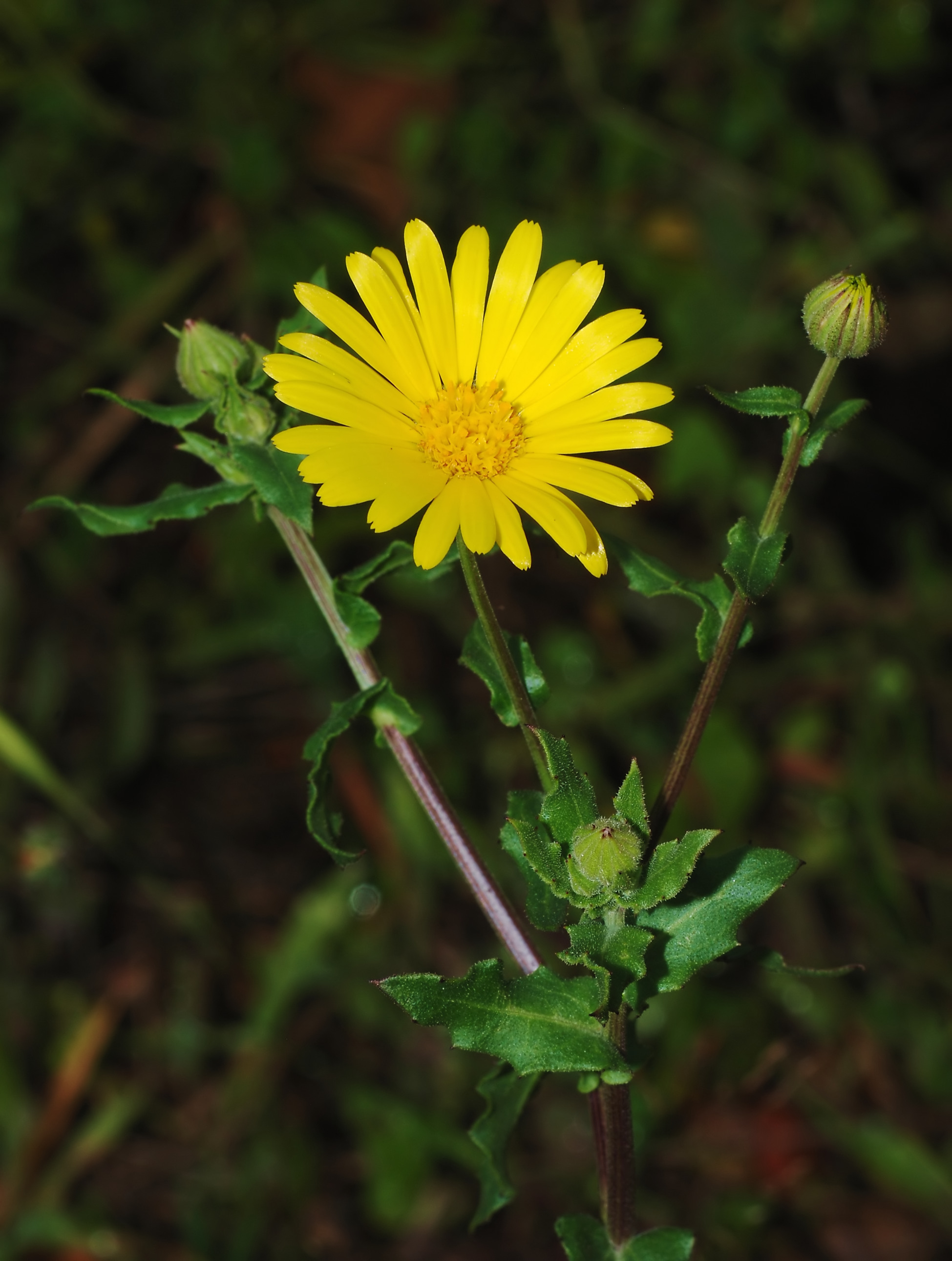
The calendula flower (Calendula officinalis), also known as pot marigold, is a bright, daisy-like flower native to southern Europe. It is a versatile and easy-to-grow annual or short-lived perennial prized for its cheerful, edible blossoms. This flower has a long history of culinary and medicinal use. The petals are edible, with a slightly peppery or bitter taste, and can be used to add color to salads, soups, and other dishes. Historically, petals were also used as yellow dye for fabrics and food. Medicinally, it is known for its anti-inflammatory and antiseptic properties and is often used in topical salves and teas.

Catnip
Easily grown in average, dry to medium, well-drained soils in full sun to part shade. Thrives in dry soils and is very tolerant of drought. Site plants in full sun in northern areas. Plants are somewhat intolerant of the heat and humidity of the deep South where they generally appreciate some afternoon shade. Shear flower spikes after initial flowering to promote continued bloom. Easily propagated by division of established plants. Wet soils in winter can be fatal. Easily grown from seed. Plants will self-seed in the garden, often profusely

Catnip
Lemon catnip is a perennial herb known for its strong lemon sce It grows on square, upright stems, reaching a height of 2 to 4 feet. It belongs to the mint family and is closely related to common catnip but is often considered a less aggressive grower. It produces spikes of small, tubular flowers in white or blue to lavender shades, which bloom during the summer.
Herbal Tea: The leaves can be used fresh or dried to make a tea with sedative and calming properties, which may help with digestion and sleeplessness.
Cat Attractant: Like common catnip, it can attract and cause euphoric reactions in many cats, though some cats are not affected. Some sources note that some cats may be less attracted to lemon catnip than the standard variety.
Insect Repellent: Lemon catnip is a natural insect repellent. The oil it contains, nepetalactone, can deter pests such as aphids, mosquitoes, and certain beetles.
Pollinator Garden: The nectar-rich flowers are excellent for attracting beneficial insects, such as bees and butterflies.

Chamomile
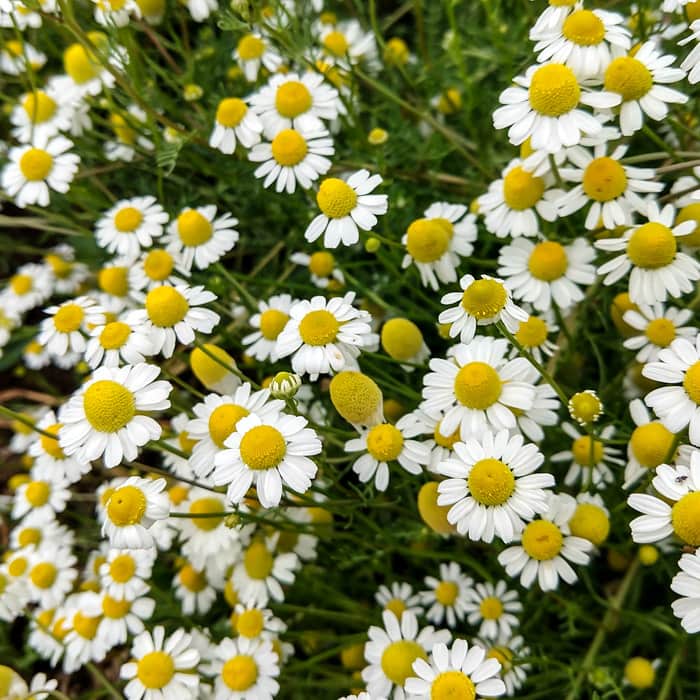
Chamaemelum nobile, commonly called chamomile or Roman chamomile, is a low-growing evergreen perennial that forms a spreading mat of aromatic foliage typically growing 3-6” tall and spreading by decumbent stems to 12” wide. Daisy-like flowers with white rays and yellow centers bloom throughout the summer and into early fall. Finely-dissected, fern-like foliage emits a fruity scent when bruised. Flower heads may be dried to make chamomile tea, a soothing herbal tea that has been an historic folk medicine remedy for a variety of ailments including headache, colds, flu, stomach disorders and gastrointestinal disorders. Synonymous with and formerly known as Anthemis nobilis. German chamomile (Matricaria recutita) is a taller plant with similar flowers that also makes a flavorful herbal tea. The name chamomile comes from Greek meaning “apple on the ground” in reference to the plant’s apple-like aroma.
Chamomile
"Zloty Lan" is a Polish variety of German chamomile (Matricaria recutita) known for being vigorous, having a higher concentration of essential oils, and producing larger flowers. It is used for its medicinal properties, such as soothing nervous tension and stomach issues, and can be made into a tea or tincture. It is also a beneficial garden plant, attracting beneficial insects
Chamomile
Dyer's chamomile (
𝐶𝑜𝑡𝑎𝑡𝑖𝑛𝑐𝑡𝑜𝑟𝑖𝑎 Cotatinctoriacap C o t a t i n c t o r i a
) is a perennial plant known for its bright yellow, daisy-like flowers and fragrant, serrated leaves. It can grow up to 60 cm (2 feet) tall and is cultivated for its ability to produce a vibrant yellow dye from its flowers when treated with mordants. The plant is low-maintenance, drought-tolerant once established, and attracts pollinators

Chamomile
German chamomile (\(Matricaria\ chamomilla\)) is an annual plant known for its daisy-like, apple-scented white and yellow flowers and feathery, fern-like leaves. It grows to about 1–2 feet tall, has a short blooming season in the summer, and is often used for herbal teas and other medicinal and cosmetic applications. It prefers full sun and well-drained soil and can spread easily by self-seeding.
Chervil
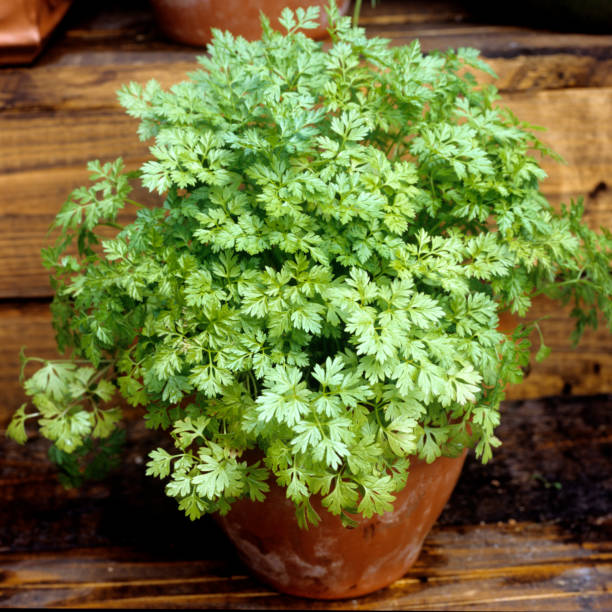
Chervil is an annual herb related to parsley and cilantro, growing up to two feet tall with delicate, lacy, light green leaves and small white flowers. Its distinctive flavor is a mix of parsley and anise, and it is best used fresh, added to dishes just before serving, because the flavor fades when cooked.

Chia
Salvia hispanica, or chia, is a subtropical annual herb in the mint family, native to Mexico and Guatemala, known for its highly nutritious seeds. The plant can grow up to 1.75 meters tall and has opposite, serrated leaves, with spikes of small blue, purple, or white flowers that are followed by tiny, oval seeds with a mottled, speckled appearance. When soaked in liquid, the seeds develop a mucilaginous, gel-like texture. Chia seeds are highly nutritious, packing significant fiber, plant-based protein, and omega-3 fatty acids (ALA) into a small serving, which promotes heart health, improved digestion, and sustained energy. They help manage blood sugar, reduce inflammation, and aid weight loss by promoting satiety.

Chives
Onion chives are a perennial herb related to onions, with slender, hollow, green leaves and purple, globe-shaped flowers. They are grown for their mild, oniony flavor, which is more delicate than onions or scallions, and are best used fresh as a garnish or seasoning in dishes like salads, soups, and egg and cheese preparations. The edible flowers can also be used for garnishes or infused to make chive vinegar.
Chives
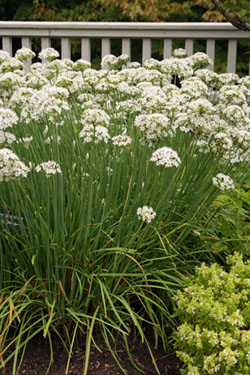
Garlic chives are a perennial herb with flat, strappy, gray-green leaves and a flavor that combines mild garlic with a hint of chive. The plant grows in clumps, reaching about 12 inches long, and produces fragrant white, star-shaped flowers on tall stalks, which are also edible. They thrive in full sun and well-drained soil and are widely used in Asian cuisine for their versatility in dishes like stir-fries, soups, and dumplings. They can spread aggressively through self seeding. To keep contained cut the flowers.
Cilantro
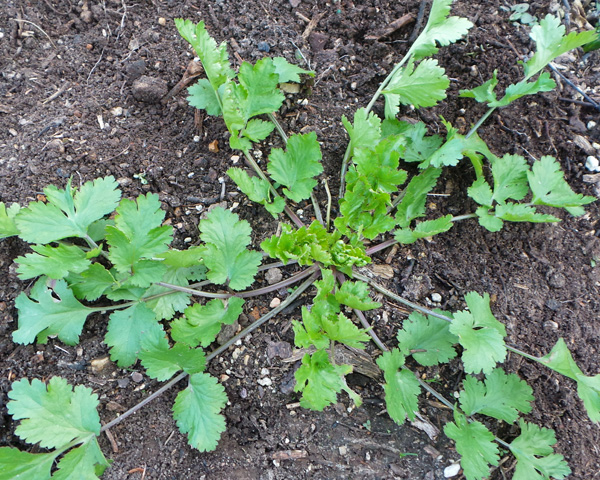
Cilantro is an herb from the plant Coriandrum sativum with finely cut, lacy green leaves that resemble flat-leaf parsley. It has a strong, pungent, and citrusy aroma and flavor, though some people find it tastes like soap due to a genetic variation. The plant is also the source of coriander seeds, which are used as a warm spice.

Coneflower
Rudbeckia maxima, or giant coneflower, is a tall, native perennial known for its huge, powder-blue basal leaves and large, bright yellow flowers with dark brown or black centers. It can grow up to 7 feet tall and thrives in full sun and moist, well-drained soil. This plant is also a magnet for pollinators like butterflies and bees, and its seeds are a favorite food for goldfinches

Coneflower
The Glade coneflower (Echinacea simulata) is a perennial wildflower with a single, daisy-like flower head featuring drooping, rose-colored petals and a central disk with yellow pollen. It is very similar to the pale purple coneflower but has more intense color, yellow pollen, and blooms slightly earlier. This drought-tolerant plant grows up to 3 feet tall and is found in dry, open habitats like glades and savannas in the central and eastern Ozarks. Grows well in rocky shallow soils.

Coneflower
The yellow coneflower (\(Echinacea\) \(paradoxa\)) is a native prairie plant with bright yellow, drooping petals surrounding a dark reddish-brown, dome-shaped central cone. It grows on a single, sturdy stem and can reach up to 3 feet tall, with long, narrow basal leaves. This plant blooms from late spring through summer, thrives in sunny, well-drained soil, and is attractive to pollinators like butterflies and finches, while deer typically avoid it.

Coreopsis
Prairie coreopsis (Coreopsis tripteris), also known as tall tickseed, is a tall, native perennial with yellow flowers and maroon disc florets that grows 3-8 feet high. It features opposite, deeply three-lobed leaves and blooms from late summer to fall. This plant thrives in full sun to partial shade, tolerates a variety of soil conditions from moist to dry, and is beneficial for wildlife
Coriander
Vietnamese
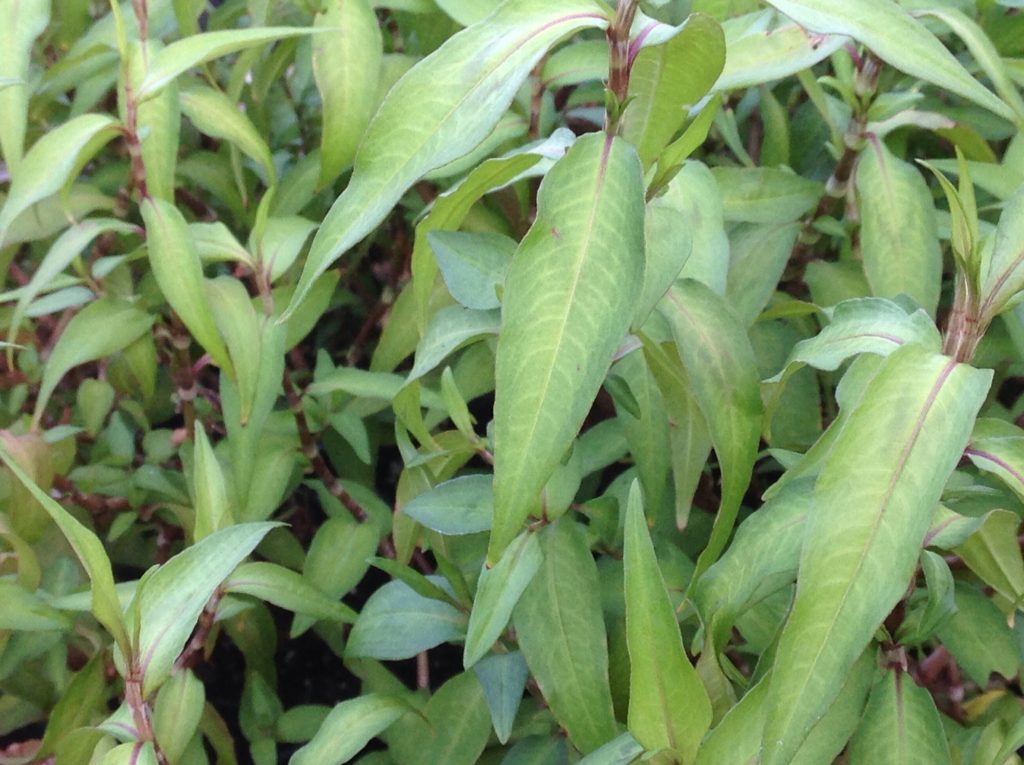
Vietnamese coriander (\(Polygonum\) \(odoratum\)) is a perennial herb with pointed, dark green leaves that are often marked with a burgundy blotch and have a burgundy underside. It is a fast-growing, moisture-loving plant that can reach heights of 6 to 18 inches. Its flavor is similar to cilantro but with a spicier, lemon-like quality

Cup Plant
Common
The cup plant (Silphium perfoliatum) is a tall, native perennial known for its distinctive square stem and opposite leaves that fuse to form a rain-collecting "cup". It is a coarse, sunflower-like plant with bright yellow flowers. It can grow 4-10 feet tall. Is a good pollinator plant and attracts to gold finches.

Curry plant
The curry plant, Helichrysum angustifolium, is an ornamental herb known for its striking silver-green foliage and curry-like scent, though it is not the source of curry spice. It features narrow, fuzzy leaves and produces clusters of small, yellow flowers in mid-to-late summer. This drought-tolerant and deer-resistant plant is well-suited for hot, dry locations, rock gardens, and containers

Dill
Dukat

Dittany
Cumin is a photoautotroph, meaning it transforms light into chemical energy, and monocarpic, meaning the plant flowers, sets seeds, then dies. It is vulnerable to frost, and needs 120 days of frost-free weather from planting to harvesting. Seeds need to be 36 to 41 degrees for emergence, with optimum temperatures of 68 to 86 degrees. Soaking seeds for 8 hours before planting helps in germination. Start seeds indoors 6 to 8 weeks before the average last frost date,

Eucalyptus
Winter hardy to USDA Zones 8-11 where plants are grown in medium moisture, well-drained soils in full sun. Tolerates some drought. Because of its extremely rapid growth rate, it can be grown in gardens in the St. Louis area as an annual shrub from seed. Plants can be regularly pruned to stimulate bushy growth. Plants are also commonly grown in containers as either shrubs or trained as standards. Container plants can be placed on patios or sunk into the ground to the lip, but must be brought indoors in fall before first frost for overwintering. Container plants can be stooled (bushy plants are cut to the ground and standards are cut back to the trunk) prior to overwintering, in which case the stooled plants are best overwintered in a cool, dark basement or frost-free garage
Eucalyptus

Eucalyptus
data:image/jpeg;base64,/9j/4AAQSkZJRgABAQAAAQABAAD/2wCEAAkGBwgHBgkIBwgKCgkLDRYPDQwMDRsUFRAWIB0iIiAdHx8kKDQsJCYxJx8fLT0tMTU3Ojo6Iys/RD84QzQ5OjcBCgoKDQwNGg8PGjclHyU3Nzc3Nzc3Nzc3Nzc3Nzc3Nzc3Nzc3Nzc3Nzc3Nzc3Nzc3Nzc3Nzc3Nzc3Nzc3Nzc3N//AABEIAPAA8AMBIgACEQEDEQH/xAAcAAACAwEBAQEAAAAAAAAAAAAFBgIDBAcBAAj/xABDEAACAQMDAQcBBAcGBQQDAQABAgMABBEFEiExBhMiQVFhcYEUMpGhByNCscHR8BUzUnKC8SRDYsLhFlOSomOToyX/xAAaAQADAQEBAQAAAAAAAAAAAAAAAQIDBAUG/8QAJREAAgICAgICAwADAAAAAAAAAAECEQMhEjEEQRNhIjJRBYGx/9oADAMBAAIRAxEAPwCtbcE5PNaLS3c3McUYyXbaAPMnisA3N+0aLdnLi3tdUiuLt22RgleM+LGB++pRbHw28mWO3Pi8q+aNlblSPkVfa3ttMESC4RiTkrnBHHHHWibYBQFQQABW1mYF4Qj0qUjAxnkdKJmG2kU5UA5qH9n255GenrRYAVG3QvEwyCPEvT2zXBZbd7SaS1lDd5A7RtvGDlTj+Ffoa4sVV+H6+dcZ7fwG27WXgxhZNkoPrlACf/kD+dUJi9XoAqIPrUhQI9A54qwVDrX2/HWgCwjIqHvUTNgE1UbgMcAYFAHrgkYrxVABGai0o281BLhVzwSTQBdnB6VGV1YejDpUdxcZxioFCelAHiykH3q1ZSah3WevWpbcdKBlhbivM1WWxUS9AE3OOldk7OzSR9itNeY5cWoVcegyF/LFcVaT1roN7rp0Tsb2bt1AlmuYe8wWxhBz/wByj6Gs8jpWXBW6Q02qd4QD91aMRRrtznp+Vc0i7X3xA7uGBfZsn+VXf+r9aByj2w4xjueP31h80Ub/AATZ1aFY16DJ9TVOq6va6bH/AMQ26bHghU+I/wAh7muW3Ha3XJYtgvBCPPuI1Un69R9Kt0aJprdpJJZC7uSWLZLe5J60fMpOkJ4HFWwnqFzPql01xcMQxGFUHhB6CsZsZWY7Z3A9+aJRWS45kI+cVetmvTv/AMqBAFY2PQj8akY2xzuxUmjdf+WvFeeIf8o/6aogutZZ7d1ZV3qOQrjitt72m1G2+ztYXEkJ3EPE+HQjjGMjjzoS7TjlYpfqKyXEzsqh1Yc5GRilK+LoqFclY56d221E4W6tLWbPmhZD/GjUXauCRB3tlOh/6WDfypBszkA0WgIK1yLyMi9ne/GxtdDTJ2g09gCTMuPWM/wrmP6R7u0utQtri3kLMY2jKshHAOQef8xpqcDZST2yi/4fvMfcYHNdGPyJOSTOfL40YxbQsiSpK5rKZAGxV0bBlyDXacBpByM1FiDUUbnBqEmVNABfs+8QXVZHtbe4eCy72MTx71B72JScf5WaoNrSMTnSNIxnoLUj9zCvuzR3LrK+Z0mc/gyN/wBtYYQlxbiDxIyEsWA4+T+QqJy47OnxfHfkScE6da+3/AhFqKSKzR6Fo7Y4G6OTk/8A7KsbVXiXJ0bQgB122itj5yTWa3jVIY9pB2sDvAwGwRzXiwq84Xu2QNFy4P5HyrmWduX0fQP/AAMFgXbm/vX/AAIrepf6DrLPp+nRPbRQtE8FssbKWnRTyPYkUud6x4AFGtPUf+nO0H+S1H4zqf8AtoG0qoOK60fMNVplveBRk9aoluPSqJJixr2KIuc+VMRJWLHNes20VcUCCsczc4oAhLIdjc9eBTV21jktbPsqjkHZpESnB6E8/wBfFJ1yfujIHnk+VdB/SFYPb9mNFuC4eOG0t4g/qyrg/iDn8axy7VGuJ1KwDaSZAolH0pf06XfjmmKDhM1wNHoxZ4wxTJpcGLaFec7c4+aXY1M06oP2iBTjahQQAcYHHFaY0Y5nei6NMcdTWhYgT938qqUAtnjFaY9uP2T81qYC19rKSbfET81rtp+9ODkH/qqhr4IQEjWQj0Fff2opYKwCH/LirMwiSR4SF+pFYNSt3lXKc7c8A14tzG/UhvrVqspIAyPrQ9guzPp/Kii9uOaD2A2u0f8AhYj86N24rzZKmexDastceClftLCJrSVCOCCKapPuUu6xzG4q1pkTWjlTyEMAx5AwfkVqtMrEXJ4zisGogx6lLH5b8j61scmO3jT6mvWi7VnjSVNo1LKM1pUiVetCA5xV8FwUPNUSMvZmIfa75M47zTbtf/4sf4VhjE9vAxktZhCPF3gQjrxySMEHH40R7HstxrcEf/vRTxEf5oXH7zTX2Y1WDXLSaPVLi2t4rSK1SBJpeMx7sPywy2Qp5yOPpUSVqmbYc08M+cOxP7u77nctheLgrCWNu3BIG0YA6nIx60OvEvLVN0ttdW0K4jBliZBuC5xz545x711abWdBgWKCfVbVxJLC0iLdBgv60Oeck4V238+SsOgxQzUbrRNUhxeanbd1FexXMIWVcSYGGLhk8IAz4cndjGeRjKOKKdnd5H+W8jNGKvjX80JdiWi7M9oUkUo6tZKykEHmSRuR9KXHJY10PtnfQ6hBrU8F1bXIdtOUyW4GCcXJ8WCeenn0xSEFFbo8whFFuOTW2NNq1KGLC5NfSkKvPSmBmnk456VhLZOTVk8m5iBVOcZPtSAzXTZMnxgV2n9IVosnYm0tgOIpoQAfZGH7q4lL90/Fdo/SPeLHJY6ZGcmMd9Lz5kYUfhu/EVjmdI2wq5CRY6WYxkAL81ufKDHH0qInJHWvYI5LiTavTPJ9K4+zudRQQ0SIvcCTA2pyc+Zputh4clQPpQ3TbVIowFHAomq4A8h81tFUc0pcnZYWHmi4q2Mpn7gzWdI+p3Ec1Zhx0YfhTJF97dQhYJux6tWSe3wOFIzxgflRVYgMgqwBHpVbQkjADY+KsgBxxyKwVs7PPjpRGCGTYCJCTUpoJAGCkEHgg1OzikC5d9nopGaAPIVMV4yt1YBqO2pyKCzcTRyceanyovZnOK4cqqR6XjyuCNFwCEzS5qZ4amG5OIzSxqEoLMKmO2aT0jnWqQKdbVm4QDcfpVVy++Titut+G/yByyN+8UORgH8XSvUxfqjx8v7MkoyKtSBn6Cr4okbmtIZY1rUyPNMku9KvoL+1lCSwOHXIyM+4py0LU31DSZJ59Z0zSZluO7jC2VtjaNmDs278Hc/OQBt586Q7i4eQlVr6KNkAY8Umgs6Reai8Gm3Dx9vO8u0UvEILYIHIXITAHmx+9n2xnpLTde0JlibUO02tx3JRC7C7mKqdq7lI27fvFugx156VzCa6Yvsj5Pma0WkO5fHSoAhr2v6hqEs1m+pS3enpcs8HeKoLAFgjE4BJ2sevr0obbBpJBmtQtI/Sroo0jXCLimB6W2pk9KHXlxnjNXX9wEGwdaEySF2oGTHJzX0nERx514OBXkv3VFAGZiN65GRnketPWp6hJqV/Pe3B/WTPuwP2R5D6DApFdcugHmwFPWnac9wQ75WP182+K5c9ujqwNK2yen2Ut6+E8KDqxpitLEREIgwB555P1q6whWFAqjaqjoBxW+BUY7j+6s0qHKbkXw2hTnqMc+Kr+6XoMdfeogxsWCvgjgcVchCjiYggeVWQeqigEZX91SABb7y8eRqaBeAZPP0q4wxbCQ59vWgAZ9hG37xz1HFVyWyqOfPrxRFJZSAQiirNjSIN7LxWhFgF0A/CqGz6mjVzZFvuycjoMUKkidGKkgUmBmlBeD4ORW7TjuUHNVxxkjBYYr3TPCxTP3TiubOumdviS20a73Ow0pXYLXRUU53Ee6PFKOoJ3F/Ex6b8fwrGHZ0ZXoUe0cPd3kJPGcj+P8KBzxsvKncuKdu0ekXmoyxf2fbPMVfJK4AHHqeK2dmf0f3GpSOdY7yyto32EDHeOfPGcjHv09M16OF/geV5Gps53BOR4W4onHBO+MwTFT592cU69vdB7I6Bbd3YWUk1+4Hdwm5lIAHUsd3Hx/Dmp6FfdlbKJZTPLO4OT9oMjsD6BDnH5/JrRyMLFpdC1BI4XGmXhWdd0REDHeM4yMD2rLrunarp9mZ7mwlt4sgb5gE5PQBTyfwrrFnrV5qx7rTdMYIrhftEzGPKsCd3OcgbcYHP50l/pG1i4ivn0yx2m3uVMbF03SMM4wPnJ8s0lOwsQrNPM8k0SQlelZ442gyjAq68MGHINSaUjnOa0A2rLxzWe5vNo2x9aui0zV7sRC0064lEy7o2RPCwx13dB+NYrjTNThvUs5tPulupP7uLuiWf12/4vpU2h2YpXPVjkmq0/OjK9nb+G526zaXmnwgEmWe3YL8biMDz6mrdc0iw0oFEvt9ztR+7OGyGUMOQOOCDS5K6CwJuxUZWyw9hX24E1W/LmqGGOytkt/rUCyKCkWZWBGQcdPzIrpkUQGeFx6ACucdirgQdoLfd92QMh/DP7wK6igjI4Dc+1c2Ts2h0aLWEY4Cj6VuVACvC/gKptVRVBAc/6a0rGCwPiHyKgonhR/ylb24rxe7B+4nvxX2wZzuIyf8ADUu7HOZP/rTA92pj7i5+KkFXB/V+fHhqYSMAeP8AKrFWMJ9/n4phYutdsGJBx7ZqcOoHJDOB9aW5JLog93Nz81SkF/PJjcx49aoga2vjL0kOPmsV0+12bcuT6GhxsruFPEkp+CKzu1zH95H+cGhgFIrjg5b99Ss5wt2VyDuGaCi9l3DaWcjr7V0Tsnp6QadFczKjTzLvY46A9B7cYqJx5Kio5vifIwgs6AgGsk1pYxET36CZuSIwobHoSDx9DTrBh53KQqVUA4dcc8/1zUp4lmJYgHn+s1nDBW0PJ53NVQt25QtiRVJblOeCD0IPvxW5oQ8JgO9MArlWwfnPkaGdoJbey1O3a2Ui4EbAhclR02koCAT1/GilumpXEXeJHbRGTJCyMx2/QDn4yPmt4rVHE97Of3EWh6ffLpt7FHOIpsTT3Dl2Vn5yxzgZ2j8c+dFNc1js7YpEHtob28t1zHHAFbGT+A9fp06V9fdhrsG7vri7i1C6uctIrKYhuyCMDnpjgE/Wki7P2K4a3llt1VcEpBCfwJycH2p0ykxyHabUZOzq39nahZTcNDIjkhohtZlLc4wdpH4UG0ex7T6hMmoXssVpBC2/bt5x54HuOMk1RpOqH7LNY2kEL9+nebJF3MzR5Kgc8Hr61kXtfqmo3UGnhIlt3cM7Rgqz456g9OKS1YDNcaTpnaK1FzuEszgbpE8MgPv6/BzXMNVsriwCyTROtvNLJHBI42mXY21vDnI5x1rp+mfYrqw77TEWOdR47SQg7T6Z8vnOPinOwi762tp54F+0JGO7MigvGWAyAfL14p8nELOVfo6utatZGtH0m/lsHyRIkDfqievUcg9cDnzrqFnKsbxi4RwUOUyvK54PB88ZHxRvuhGu5w7EYxg5rNdRxhwJgrcCSM4DfBqZSrZLdki0QcBGD5AyQCAB6c/BpS/SHoehTdnr/VWtLSO/gt98dxsA3kAAKQOGzgKM5xU76y1q3WOXSdRSeaGMhI7yMAS59SmBn08P4ZJrl/b3tBq11fz6XqTxCOIxkxrlcNsU+uDjPvirhNS0ikhTYkuWOBk+QAH4Co85NXWsEt1MIbWKSeU5ISNSxIHsKbuy+gaLq2lFLtpVvS7K7o7BomzhRs8/LqK0bSLuir9F2p2Gl9qY/wC0kjENxGYVncZ7lyRg+2cbT8/NdpmHfEhE7wdTk5xmue6D2B0iG6uRcXJvpYJB3QViuzGDggYyQc+3FOdgJYS8kpaGxt0LySE52KPIZ888Y/KspO9kvb0arq2e2jSSNcxNjLckKT+7zqkzqn7RPxWG11eW4d/tJXa/3HXoV9D/AF9Bip3csVvE06yKqjBBznPNQaxk1pmg3IJHhbmrBJnohPPtS7Jru99qqGHxXy61kle4OfakaDQJBj7pqTSgDn94pUbXIBjesgPoeKg2rRE4AcfOaAo1tozMf73P1NabTR3iOQxPw2K3A7lwQM+1WIzR5AOce1WQZbu3VIsMkikeY5oU9tuOVkk+oplEm/KuEPFZmt13Eo6r6AjNAAmCzU9MA+pWm3Q5M2axSgBo/Du8iP8AbFCQjqdo2n44rfZ3EUFsA3hfJ560KjPIrQW2oJi+Ccjpnj2oV2g1Z7EJCsbq8g/vJE8K/GeprK2rj+0Utg0haTARugwT/OrdShNzLCs5JCLwrH9+aXJvUTGUXFb9mTQNPNzdyXUgL45BPqepNMsMbtxFFlcHz/dnzoXBZmIAozKpPJU44orLKRHti4AHlyfP/wAVe60QpFE0kkEn2dc5DNzuHIz/AEK5j2u7PT2N6GgbvIpRlBs53Z5BA/HPnXSpI0IBHVeo9T+6gfaCdbiWKAKDHGDuYDzP8sVKv2OL2Jmm6MbW8tryK03zQkMCH249ePPIJHpUrbsnLp+rzNLJGltExEK5ySp8sHPGKH692i1C1ma1tLWMMZHi7zBPTHPPGefPOCDQjUpdbvVtIo7iRo7qBSUTChnyVYYUAnkfnTpXZrse9AQXpe3tnt0tbdzERbLuCnGcMx/MDr50xwTdztbvWK5OSAcVzzsDpd5p+oxSCQW6lts8aqw3DPAIJx+VdWis3MZ3BQvTbzwKzq5EPRVFdtceGNVY5++DjH4edag8scYQlWi27cN/WaxQmK0eRdmQwG1uhxU7e6gl8KSqHyfC3BPx6/Ss5RadiPe6Jfgge1I36QOyramf7QsJ1t7oLiQFQUkx0z6H3roLBQCS4H+LPFYdUmtTCUWXxsRyB6e9Snw2XGz8+aJBqiSJqOiT5u1chooSN/X06MD6V1KPRJbpY9QvhbQawI2T7Zak8EjG4ZPJHkT08ulFLns/ZyNFqEUMS3MecSoAGPBBDYHIIrLHqapcNDdMbeRePEAAR7H+dbwyxyDcv4YuzPZ687O6skrX81/b3Kd3JBKGDA58JU5POfL0J68Uy3dzcCCS1ZRNbsQSjjofr8VO0vzBDKxeJ+8ysJXwuhweh9aCWZktbdYyWYIDt3dTWj10JbJwQrGxJj2qf2SOPmqb4Rsh2qQfY1UO0EEmcrJxx93pUP7YtJhg7wM8k4rNnTFUgHLb3ctwViRzzgbaO6B2fkmm3X28qBkjPl6Zoorw2zTsIwEUZwvXGOTRbTO+YxXSwSNC65wMZ2Hzxn60UJy0Z7rs5adw7W0KrKvTaSc0MTTyvPHzTkwELLGzeLuwDhc+/wBKWNTvILe9ljJbG7I2j1Gf41UkhY2+mepAwbxsufUmpMGXrOBk1QNzkAogJbHMlWos6sdqqxz5MKkssUuMFpFbnHJ61Y8rDBAU+XWvleQ/ejjBUjg1U0zFm8Ma4PQOBmmI+M5AUmHHvmvBcpgbg2POqpZnJKhFH+oGsnezMSHhyB6cGmARk0tdRWOZGZFjJIZRyR/WKPWUW+B/tDyPL0XPGfk4oVo2pxCNLOaMg5xG3yehonLG8p/WJuXr0BoUVdnNlnP9X0WjjC4wRwAef6xUHcoCQ0eB0zjiqrl2S3ZY2EbngP1I/h/tWLTbGHT9OhtYslY93iYcEsSxb5OetWYNey5pmnErM5Me7apXg+WefxoN2he6sdK7+2Cr49jP+0mehA6df30zqqi3G3lt2cUB7SXJuYkso1DKzhpOeAB0Hzn91LikNM5rfaLefY2ltJ+9RT30qzgBmGcs24fnxmiPZh7TULaWOEMxt2zG/mS+M7R/h8I58yTTNeyx6Vol3OdgdYXCqw4LbSBn2pB7B6dOl3Kdzgsq8njdjqM+Z6US6NYu0dGcNbWd1qt5IGWCEvuc+EeWPzolZ6nDdwiW21FbhQ20hZd/PpXsMc0dosErs6tyyE5Uc9CPPFXWOkqJ2khiSN9pAYDAI46gD2FZ1TtCuzPr7sv2T7LMr7jiUMuSo5xwece9YrrSrm4tsQzywTg7kkVAVz5ZBHI5ot9jdZP1qneh5zjGfUVrfw+JNp6Y3HGT9Klf0q2zlsWrXtvrb298xWSBhHcRKPCAeN3xyD8U+WVvFdqqd6qq+CGz5ccjy96GavFZvq+Z1gWaaPOSQC+OOvn5fhU0G2znksw0lwEEcUe7OCSDux7AGnF8l9DCc1pLHujguQVYYDBMgg++eD9KXJtHv3v5ftNnPcwIRht2Sy4/h060QsZtRgv7dtS2raSMFm2qCDxjPPTyzz5E03SpDKMIU254NEIRi9CZwvthoF+tz9ut0uIjHjZAylGUDoUxTF2P1LV9agtYCI7qQxBmllOCoHGSR/LJrpC6O11aSPD3JycNHIMpIvxisNvYnT3WWzgijXZsaKMcIPIA/wAKvpUVy0brKAwxxwTSRdcFYxtB9cjHXz98e9ZNb0Gzl5ubaOTeSBLENrKfnzP5c1o79oz3ybckcnpnPOPjirYbiZXJkbJbkr1GP5U00yVKhek0ySGMWxdc92Y1efw5x/i+mB9PpRfSbiB9NgWG4WVYVEJdB12+Yz0/ClrUrAzaxJJZgW8ZyIufCOmRjoAcmiWn2t9osF9qGpnMCQrsC4YztnyHt0znzpbRXYYvi0rIxbdGEIO4fe649/OkXUQ76jO08g7zeQfDgYHAx7YxTLqPaPSLOAqrtLKwyscaHLeh56fWkW41OaaZ5njKmRixAGfOpka407HVbWUjaJBn3xj91Y51vXvCh7sqFGCAPFRzbxyDXzRRNjctOiwbFBMc5Cn1wBUmgkzuG0eWMUTdUVvCoAIqBjTGOlFADu5kZidiH/TUWWRQfI4x92ipjUEEcZHTNQZPFw3/ANqBAhg3RkU5A8qUezeu65qHbc6clzLcWv2hy0TvhURDySepHAGOeoroUsW58hifc1yns/q0PZjt/fTX277OzzQSOoyUDOGDY8+VH41UVfZE3W0dyEasT3hC+eCRk0B1TV/sfeyRQzPbwqS6hPEx9Qc8fhW6z1Cwnh76K7tpEZd+8SrjbjjnPvVOs2rXMTW4U4cYZsdf41o/o46IXUtzParCkQgMi+I5yQCORmrRDbparGiMZUAXeTnp0HNaRswDIVBC5O7+unSsN1qEFqypEjzSt/gB2j61OhWJ3aKKXVNTl064KyWce3wxArvbAPiOT0z06VRLaf8Ao+a0eOVjp11II0jl2juX68sSBtxn8DTPa2YNyZHjCE4YLnJPPX/zVPaC2TVLUW8sYERBWPjOWxwT8Y/rNDSaLToYIryG4jBjxwBgMv8AWauMxMRU5BcYyDjHtn+utKWnCW3hitYlikVE2hJCV6ehGfU8Ypg02Gd1bvl7pcfcJ37c+/n/AL1ntFAnXrptMRLhVuSNwR+4UsR74HUDz9vjle1ntOcWwsNSkcMcyCPjjp5jrz+VOE+ntLJ+skGRnj7qg+2P40qdqNEWRXns4UNwrfrRjHeeWT7j86lVY70DtUtbiSO21GK6lurZvCsykh4m58JHlTZapfLYWDblTcrNLIQBnnwqPjGSfelCysr+2jXawj71gjLnKt8+Rx1+lFL7WL8Rzf2JZvKscmyAOch4w2ASCQemTkH8aqkPY3QacdRjkE8z9ycBgkhUsfQEUS06ztNNkEcSBEwcLuO38M9ax9nrqabs9aTXChZnDbwE27WDEYx5EYAog0y4DBGdhzyOAferilRDZK+uZcBIGKA45Unp7VntolhZZicgjwqDkqRjgn+NTlvYo4y8oWOID9aeBsz0Jz0HHP8A4rJf6rZ2cRlW9tX3fdCyK7MfYAmhrdgfXwcXRMZAD8lQAQfessqSSFS8xAz4lHGf6/jS7Dq+qG6eXuVKsxYPIDnb5A84x8f77n7Ri2iO6G3JIycS+flgf7UKhheaW0ttqSzLEJ/uKzHPBGcY6+lfRa8ljcLp184ifYCTIuYyfIN1w3Tnp8eYLs8x1XUTe6ipzbYlJThTg+FQD781rntxetKZ1ALksT6E+Y/rypOzRKuwvqWnWV+A0sKR7sYwMr9PPPxStqHZiSFibJxKq5JTqfp/I8/NXWWq3tgPscu2aJDgRyc4HoD5VubUbOdOe9hI8h4sfBqW0zRKS6Nk3HCtJUEZgfvycUF7vUo5Ce6IXz8eas33x/Zx7ZNKzUNHLnBncVYDgcy7h5UEeW92jKceoNQe5ljUh43PuDQIO7wP+Z+NReXoG20snUt0gwXXHqOKl9p3NzLI3wadhQwmbnjaa4t21Tb2p1LjhpA34qDXTRKNoJMmB1y1cz7akDtFclc4bYRn/KP5VeN7IktA/RrC5v8AWrO10/Au5pQsb4+6epY+wGSfYV+k13JFhz3rKBucDG4/Hl61+cuzutT6Bq8Oo28Ucrxhl2SdCGBB+DzXTezP6TBqWp22n3OmiGa5kEaS9/uQE+vhBHoBzzjpWnswmmx0vpZjE0cSpCzZG9xux8DpnHrQqwtorMovLAHxPIxZj7560WuY7iRnZ3Yo33goAGKwTwOGKfrCrZ2kHGRUSsxNmrX2nRRmVVKmQJFK55Lbfu5/r+VC572IBEtl77JwzKDtX/zW9INNk0qa1vlcd5hiU6vg5498Z6CgOpawIpUGnW/6p1DRvIdq4+Ov04qHK1RX2b41imP6tlST/Aw6/B6Vqj1KTuRFIqmRcKGxgL588/71i0YzSwKe8ikuE6s4ILDPt59OfTNE54DdOskqohHhYxrtzznI/GpclVFKgLfdrrOzgl+3jMkYyyK67yf8pxz+VBk7QQazp08thDcfql8bP3YeIZ6kBicdeenvRbWey0OoRGK4YNJnwsAdwPyKVdG02Hs/qP665/48Fk8S4Qr5jHQg8ZzQkhrYaiuL1tPvbm2txdf8MRAiriRpScDPljG5ieOlDez02q3l8tvLpsttK5yzs2UQD9o4+nHPPHvWjVECwyJpl+bK22d7vaTKwMOCufNSDnB9/St/6NNZvtV+1Q34hLRRgrIvG4buc+Xp0FUkN9DTZpJYBo5HeRWIPjAwp6EgeXl51O5uI+6/WSBAeeP38VqwzDad2G5IbHT8PTNUTSW+3u9nhOcgjkfPv/tVONIz7KirOGMbklkwN/mvToKBXenWkV2Xe3Ru8AJ2sV2+9M0JgjtzsZUx4uowP64/Ol5bmC/u52jIKqAERuMgDPT0/dS0ikB7xr5AYrXuijHB8Pixn5z6Z6VrtmeeJhfwQXAAzlo+R64J+vTFRvbqK28ZTdKWw7xjO0dP6FGNDgE5V7iHu4CDM7EeHYOck+9V+PZVvoqkOm2H/DsEtpZYxjvjlSM58z1zjr6CrbC4MyGK5bMecLIsgZfbB9PmgfauRtQ0271PJVTOuODxzgfvpLAkO7aWIPBwOtRbXZrGNof+0to1oq3cMasCwQhiRgHpj+XXmsxtx3YAK59lNJtmji7jYRuwU7sAelMUN9uPMMy/6ahs2iqQ+vHGyglRx5ioC2jYcr+dZRcXGWxFDz6SHmrY7mQY3BMefJNUI0/ZI9p28YHrWKS0DcOBjrW1LncNoG3n7x868fvMnOT6cUAB57BCQEI6+1Uvp+3JJwB+dF2ViQSQefNai8TS8qsf4UgAbWyhsbj8VzDt8gi7RuFzjuUPP1rrr2Uqli3dkseea5R+kiJo+0xDKBm3jIweP2v5VcOyZdCwDyKKdnbeC77QadbXblIJrmNHYNtOCw8/L5oWo5FWMPI8itjJn6kVeAruS2MYPl60A15ZmkVIJidmSVRuV/Cudfo2l7TardMsOuXEenWLxPOkx7zvATxGCeQCFOeePSuuCwtJHMgIjPJznBFRLoxaoAaQ1mt9HLeySAr5sCT/AFzWybTdJNmsNqiNEGYg5yxJJPl9MfFUancWouhDEWlZOWCfdB9M0Tt2EEaFbdowwzhlGc/zrG0uxAyG1u9KjLx2ss0AAOAviQfHmRRiBop7cPBJG8WcHHJHOCD6H5qjVNWjawa2vbLvbW4jMcilvUeePKlK8tkmuTcIoR2AUgeQAwOevkOTz+VOk+iqVDZM6qd2QrH9ofxNKuoGzS5uL2+i2qjgJMZMbdxCZ/PNAIrKe31J4Z5pWc5ZJwSSVJ45z5dOte9oNQee4ttO0+3i1G3mZYpluPEQcqoPHnnJznPxTSopRD/9ime3exhWKKSeJ4oxIeCSpyffHWt3ZTsxLoXevJKksqxjaqHH7/65rF2Y7PS2OrW87bXkhY8jPhjxgj86dryPBWWMkoRj5FJA9A8yM8qRNlCQSB8Y9ay3V6XtLhdOiE1zs3AgjC8cHP54ogIF3KVBIGRz51Tqc8NtGqRrhzlEVBwMjzx+74q7IXYnwa3PdRyR3MSJuH95EvJPmOc4+lUSu8FvLcpELqJAN6S5CsAMcH/cfnVtldtIwR7aHf0JCNz71tupp7ux+z2cHhf+8kAJyB5D1OfOl/oujHYapaOsf2i0W2jB2hVbwrx8cn54pyu9T0ywtmstSLIrAZiPDBSRxjrjih+gaCY2ju7q13x2473Z3YBlYfdAHlzz9Pel7tJZ3bXUl7cq/eStlt3OPTBHlSbouKTZs1PW9JuoXhEUksBOdjJySOhJyP40BlvLHumRdNhBIwG6Y+vX86yupUZKGqc5I4PwRU2bKKQT0G2WWSSQqNqgDrRh4o1IC+VY9JMcVnyVDOScE/StkTqxIBQn5qTQO97buwLFuPfOKtT7PIoPenj2pKi1tyV2nHrmtserSpwygZ96okaWtkxkT8e9WxgoNqzhgPWltNdjcAOVz/mqxNagz05B8jQAeZHYZV1PtQa41o213LA0H3DjduqcGqRoxIBYfPSlzW5Wm1CRwm0MAQc+1OxBw69FJkPCy/8AVxXOP0mSJPq9rPGGw0G3JHoT/OisskiN97HtmgXbFhNBaS+aMVJ+R/4qovYpLQsL1Bqxj51AAZFTatjIY+wfag9mdVMkwLWNyAlyijnAztYe4JP0J9q7sj281ss8cMj7h4QVwxzzznp5V+Y9pkHdjq3hH1r9I6fqHeQwCddlxgBgOVc4/Ksss+Inh5JyXopt7Ka4vVnmiSMNJlkAOCP50ekjAYqcMuM4Jzg1RFdK8nKLGqnnOSW8uPT61e8sSyYUEuTge/FYyk0jHjvQO1CytQTti3iLd91cbQSSeB1OSTn3pa1GBbFVnZhy+Ag5x9fgUdk7T6ZYTPFcyd26swXIPjx1xxz9KS9RvJNU7S6hfWrEW0ejNLEqnCgNuGSPleT7j0pRbS2Wk29mDWO0Onxm2jR5lmkYjiEh1Qg5JDYxztol2QtTNqrXLx97bK+77SV2k5XAJHHI45+KQbSzXtCy6XbpLutpFLXJ5EUXm+fMk8AfFdz0bTobLSrdbZBGiIuAec8ZyT559auUq0aOoo2d0sTuYfvMnmfSq45WUHuywJbxqQACT/X9c1l/tEWhO8OVYjA8xz6+n8q2SkMgdRGU67icDzyTUrTMuwBrxv7d5L+G4O5SIhGRlMew9Ryc1ml1SOWH/ibi0icgeIvs49ck/wAq1azPLdTwpZ3EEoIPgc+CUEEEA+vnQdNP2/qbq1YjHKscg/X+jV9glXYtjSNUttSZbCZbq1jUldkm4deOSMjHpmi9kdel1GKBSe/kPhR0DA46+XT1phsdPtrKyQQNIrKPvm4J3egPGPpWu8vntoHt5mSLwHcSCr4bjjofwolpGkZfRiv9b1CzufsumvbSwxqA7tuG9x1Ix5ZrNBPNqUrrqgt18PgZM/UHJ+MfX1oVL9gh2rYvMYj1WSNiU/ynHP1rOtz4/DbzFfLIHNRuuzVJNE73Tbu2ldIyHCnj1rCunX0viePaSerNRRry4Iz9llJAAHNVi+vQcrYyn5eg0RughljhSMAsEUZKmr1imUg92T8mhv8AaGoKhZrMqPeSsc2qXzHHcbSf/wAlAwuukQggmNfYkV82nJyCrYowJoscTKfcEVYBET/en/5UxAQaTCANqtn2qyPT4FcHuSSevPWjQVMHZIT7cVVIhYEPHIcf9VAGDuEJGLPA8+etCNfRVngMcJjQqQ2SaZFwvVZl/wBWaHdoUR7WNsPlX8/imIXpbS2Mecktjqp5pb7SWSppplVpG2uD4vfj+NM0cgztXb9cVl16JJtHu0DLkxk9PMc/wprsl9HN8mrfIVV1ANWDpXQZn3P7PB8vmu3aJqyXdpbXUOJFKgYPn6g+45FcRp//AEVPLNNfWzP+qQI6r6E5z+4Vz+RG48l6Ojxpfk4PpnTkuBcXE0UcDLHGqjvFOf1hUEDHoM81VDuK3VxLA7XNuWt4FIyUlJAzkeWPP0NXxXcGj2E8k0byqjNJ+qXJYkk4/dQxrlpZBPb3gIuL0z7EfcMKgQD4/jWaldGE8coN2iWp6FA2lR2F7dxzOIwY2jjwyPk+P2GDj8aXJ9PfTR2hmik2xLpkcMcYOWJdn4A/zbfxpwuLVrraYneNsYfG3D8nn164pO7bvNadnNa7gus0JhgIUk7gW3Z+QDTp9GWPsH9notO0eaH7RdQxWSOguLg8d9KQeM/4E5+pzXTopVDusY2RBRwBx58iuT/o+0/T9V0+ex1Fmb7KFMkUg4/WdTn6Y+grrKLbW8EcBVtkSBEJyTtAxgnz4FOao2yOLRkeG3MjSzSbth4UKST7ClvtZZtqSC5mhYJGwREY/dGckk+/5Uf1tJkijfS0WQlgN0mSFB4P54/AUq3ffW9rNLd30ysgkLb49ykZJDEZwP4UbfZjGPsN6Pe6e1zsLCKbb4UK/eHt/GmJRZySKzNu3Z8RGc+1cP7D9ipdXkh1K+dxAW3QjcVeYDPi3Zyo448z8dezWOnLASkdxvKLgJcSd4xx/wBR5+pJrRNIUkF1is+7MWzcv38sML9cfWgNxpsE29nnMksjFmkdcAtnpx0AHAHxW2+1WK3RVij7+QDYUU4CjzOfP8eaHXs6QQHEngIBLKeD6Gpk03Y0xV1aymsmDm8k7l2wvhGR7UNNyq5AvJifQCi2p3Ut6y7QoiT7ofqT60NntZZQQSnTyxUHVFOtlMd4zNgXMp9vWrohIxz38uD5BqG2um3ou9oDKufv+VH4NOcAd4yn3xQUDbq2nC5EpZPRm5od3M7jCIAfXrTTJp8bcOy4HrmqXsY0GI5kU/5qACxgjCYQYA8hS7dXJl1A28Lnw/epnjAJ5GRWSTS7SPUHu1BDyABl8vmqJIWsToi7VogI5Su0tj61PeiABVAHpUDOoYD+NAHn2eQcs7Z+v86+ltxMvdSyMQfJhXouiCMjP1qX2lWPiBx80ADZNEtlOQ4/E0Pu9NjeKSNGzuUimLvkI5OaqMsStjaoHxQBwgoUkKt1BwfmrSqHqa0a5CLfWb6MHhbh8fBJI/fWJq6EzEnswPC+a26Pql7ot59qspAGI2uh6OvoawA17Q0mqYJtO0d10jU4bq2gctmGVAy88civc2cMqx2shWTcxCAZHJyePmkf9G0VzJb3RlYi0DIIsnO1yTnj06U9qlqO8tbm3SOUDnC8MPY+lebOPCdej1sco5oLkjSl13KSTW/eSRR5LI2OD5gc+lK+uTT6t2evQV7u9uRHOyRHJ4Qnuwf821aNzxPBaSlIPtRWLbHtba5xyAzeY+eaBLqM2maXPf4+2K9rFcLE0gVo5cBWjPHGCGOfn0roUuf6nnz8f4pvVIDfoqt//wDQ1SPV3NtLqECmBJhjvVBOSPjgfWnjUZ7XT5rWxe/lF04x3cLFmEfUu3oOOp9a5xcX8lpBNcFoob68iCNISNllDkYVff0+SaVbjV1isjYaSr28D/30xOJJ/Y+i48qvhcrMmjod1+kmxs3ltGNzqcVu/wCqkKIm5h5kjqB5ceVHJtGuO1+iJHfTnT/tAEqxQDcRkZUOx6+XAA+a4WqlvCgJY8AAdTX6Y0dZbW3tgsS+CNF5bGMYoyPiS3RzDsBea3Pq69nkt0uYLZzHJOMobVFYgsWAPHXAI59aP6t250LS764sYbm7vUjIH2m2VWVj6AlgePwpe7ZdqbW3tbnQuzcLWqzzO+rXAGGuZs+IA5zszu44646UiWkffXMMfQFx++nV7HSZ2Gy7TQlllgtr9lPQGJP354obLrEod+8tXjDOWC4zyTU4rpbDTI2IwpXw81isjLfStKyHH7Oag1jBR6Lv7Q1B8tDFGi+W5ATWmK8nZR3z5PosW2t1vYnblxk+1XNZIy4KEfBpFlMd4fQj3wKl9slyCjNn2xXn9nqPXHzWq3tkQbW8vOgDIdQvOfET8iq1u7puWBzRIqiYG0GvCSMbQNufSgZq74f+0aquZ964WGcn1Vc4q+G3Qp4ZG59TVot9v3ZHB9qogy2EwmUrNFIjD1Q817cNDGSHVhjzwRWxIu7RiJXNZ5JpH++cgeq0AZA9u33Hb8c1NZEP7f41JmBySwH+mqmMZ6yKP9NAEyy/ssKofZ+02auXu8f3y/VareCNzkSR8+oNAHLe2cSxdobhl6Sqr/lj+FBG603/AKQtM7h7a9jKMjZjfbzg9Qf30oH+FbR6Mpdny1PFVKat8qsQ5fo7lkUXkcbAO8sCx5bGCXp7Uz3/AGoO0wvB3LIS44HJ9Od4IP0IpM/R9pov9MujDIFn77YVLYP3fCy8jpuPFErmezsO1lsurXyWjWxku3G/b3rMMKmR75PPUVyzknJxN4zcYUvY6WNvNo1vKb1ra6xK2x88lOoznofLil6dLc32rQQpKYnWQYkYDYc549QCeRjzPpRp7+OaWN4J4xHKNjxbATjjqT7ZoLot7Dd219IkKmWWR5GeQYy3iwQRz1PrU6WxOc2vyZx1he6td93bJcXBd/1aKvJ9OBxnFH9N/Rz2jvUkkmt4bCJBkvezCPjz461hvtS1XTLswW953Xc+BZLZQm7H59aD3NxPdSF7qeWZickyOW/fW6tmTHy30rsR2bWG71HXpdY1KGTeLXTQO7yOVyxHkR6+nFfXf6VNWZZEsLS3twwwsjkyOvuOgz9KQFGKkBTcE+xVZN3dizMxZmJJY9ST5mtejp3moRDyzk/hWMCjHZuLN2znACr++iWkUux2fTzcNEXkbaqgBKMWVmIwMK3SsENxbkj9eOPaiSajbomO+z9DWBsEI4246fFfEH1yPYGh51GDr3h/+Jr3+04PLcfhKYBDZ5A8eRxUSXxgfiBQtr+MnjvPoMVZFeRDp32figDQt1E0zROjh1/aHnV/gYeME/WsRuy/IVyB68VYJpCB+q/OkM//2Q==

Eucalyptus
Eucalyptus citriodora, also known as lemon eucalyptus, is a tall, evergreen tree native to Australia that is prized for its strong lemon-scented leaves. It can grow over 100 feet tall and has smooth, gray-white bark. The leaves are lance-shaped, and when crushed, they release a distinct, refreshing aroma. The tree is used to produce an essential oil with properties like insect-repellent, antifungal, and anti-inflammatory effects. Hardy in zones 8-11 damaged by frost temps below 25 deg F.

False Solomon’s Seal
Bending stalk; alternate, parallel-veined leaves; flowers cluster on stem end. Member of Lily Family. early May. Midsummer for berries

Fennel
Fennel is a versatile flowering plant with a mild, sweet licorice-like flavor that is related to the carrot and celery family. It is used culinarily in various parts of the plant—the bulb is often cooked, while the feathery leaves and seeds are used as herbs or spices. It can be eaten raw, cooked, and dried, offering a unique flavor that becomes sweeter when cooked
Feverfew
Tanacetum parthenium, known as feverfew, is a flowering plant in the daisy family, Asteraceae. It may be grown as an ornament, and may be identified by its synonyms, Chrysanthemum parthenium and Pyrethrum parthenium. Having its origin in the Balkans region, it is now distributed worldwide

Wall Germander
Teucrium chamaedrys, or wall germander, is a hardy, drought-tolerant perennial that typically grows to 1-2 feet tall and forms a mounding, dense ground cover. It has shiny, dark green, oval leaves with scalloped edges and square, hairy stems, and blooms in the summer with small, two-lipped pink, purple, or white flowers. It is a versatile plant often used for low hedges, edgings, rock gardens, and pollinator gardens, thriving in full sun and well-drained soil. Historically used to treat Gout. it has recently been found to have compounds that cause liver toxicity with long term use.

Goldenrod
Showy goldenrod (Solidago speciosa) is a tall perennial with stout, reddish stems and showy, club-shaped clusters of bright yellow flowers that bloom from late summer to fall. It is native to eastern and central North America, prefers full sun and well-drained soil, and is highly valuable for pollinators like bees and butterflies. The smooth stems, narrow leaves, and erect flower clusters help distinguish it from other goldenrods. It is Deer resistant.

Goldenrod
Solidago buckleyi, or Buckley's goldenrod, is a herbaceous perennial with erect stems that grow between 2 and 4 feet tall, featuring yellow flowers that bloom from September to October. Its leaves are alternate and have serrated margins, and the plant is found in open oak woodlands in the central U.S., particularly in the Ozark Mountains and areas around the confluence of the Ohio and Mississippi rivers

Gum Plant
Grindelia lanceolata, commonly called gum plant, narrow-leaved gumweed, or spiny-toothed gumweed, is a biennial to short-lived perennial wildflower that is native to limestone glades, rocky prairies and bald knobs from Tennessee to Missouri to Kansas south to Texas and Alabama. Original native range has expanded over time to now also include fallow fields, railroad right-of-ways, roadsides and waste ground (Steyermark). Plants may also be found in Connecticut, Virginia, Kentucky, Ohio and Wisconsin where they were probably introduced. Gum plant typically grows to 2-3' tall on stems clad with alternate, narrow, lanceolate leaves (to 4" long) armed with bristle-tipped marginal teeth. Daisy-like flowers (to 1.25" diameter) with bright yellow rays surrounding yellow center disks bloom from June to September. Each flower is subtended by resinous, loosely spreading to ascending, involucre bracts which are slightly sticky (hence the common name of gum plant or gumweed).

Hyssop
White Horehound is easy to grow and prefers full sun in sandy, dry soil with an acidic to neutral pH. Although it can tolerate moist or poor soil. It can be weedy and is usually found in disturbed and overgrazed areas. Livestock tend to ignore it and eat other plants around it, which causes the spread of the weed.

Hyssop
Hyssop

Ironweed
White Horehound has long been used as a folk medicine and the leaves are used to produce a number of drinks, from cold remedies to ale. The plant is harvested as it comes into flower and can be used fresh or dried. White horehound is also a good companion plant for growing near tomatoes.

Ladies' Tobacco
Best grown in lean, gritty to rocky, dry to medium moisture, well-drained soils in full sun to part shade. This is one of the few native Missouri plants which grows well in dry, shady locations. It does not do well in fertile, humusy soils, particularly if drainage is poor. This plant can be difficult to cultivate in St. Louis gardens if soil requirements are not met. In optimum growing conditions, however, it can spread by stolons to form an attractive ground cover.

Lavender
Grow in average, dry to medium, well-drained, alkaline soil in full sun. English lavender can be difficult to grow in the St. Louis area, primarily because of winter stresses and high summer humidity. Well-drained soils are required, particularly in winter. Root rot commonly attacks plants grown in poorly drained soils. Prefers a light, sandy soil with somewhat low fertility. Remove faded flowers to promote continued bloom. Prune to shape in spring after new leaves appear. Prune back to 8” in spring every 3 years to control plant size and to promote robust, new growth. High summer humidity in the St. Louis area is not appreciated. To combat high humidity, consider using rock instead of organic mulch. English lavender has slightly better winter hardiness than lavandin (Lavandula x intermedia) for the St. Louis area, but still may appreciate a sheltered location and winter protection.

Lavender
Grow in average, dry to medium, well-drained, alkaline soil in full sun. English lavender can be difficult to grow in the St. Louis area, primarily because of winter stresses and high summer humidity. Well-drained soils are required, particularly in winter. Root rot commonly attacks plants grown in poorly drained soils. Prefers a light, sandy soil with somewhat low fertility. Remove faded flowers to promote continued bloom. Prune to shape in spring after new leaves appear. Prune back to 8” in spring every 3 years to control plant size and to promote robust, new growth. High summer humidity in the St. Louis area is not appreciated. To combat high humidity, consider using rock instead of organic mulch. English lavender has slightly better winter hardiness than lavandin (Lavandula x intermedia) for the St. Louis area, but still may appreciate a sheltered location and winter protection.

Lavender
Grow in average, dry to medium, well-drained, alkaline soil in full sun. Lavandin can be difficult to grow in the St. Louis area, primarily because of winter stresses and high summer humidity. Well-drained soils are required, particularly in winter. Root rot commonly attacks plants grown in poorly drained soils. Prefers a light, sandy soil with somewhat low fertility. Remove faded flowers to promote continued bloom. Prune to shape in spring after new leaves appear. Prune back to 8” every 3 years in spring to control plant size and to promote robust, new growth. High summer humidity in the St. Louis area is not appreciated. To combat high humidity, consider using rock instead of organic mulch. Not reliably winter hardy throughout USDA Zone 5 where it appreciates a sheltered location and winter protection. Lavandin (L. angustifolia × L. latifolia) is a popular hybrid lavender for the herb garden. Although it is rarely used for culinary purposes, it is frequently used as an aromatic addition to sachets and potpourris. It is a semi-woody plant that typically grows in a shrubby mound to 2-4’ tall. Gray-green leaves (to 2 1/2” long and 1/4” wide) on square stems. Flowers appear in terminal spikes (to 4” long) in summer. Both foliage and flowers are highly aromatic. Leaves are evergreen in warm winter climates. Hybrid cultivars vary somewhat in habit, flower color, aromatic intensity and bloom time
Lavender
A dwarf shrub that is broadly mounded, English lavender grows up to 2 feet tall and 3 feet wide.. It blooms in the summer and has aromatic leaves, flowers, and dry seed heads. This plant is the source of the true oil of lavender. The flowers can be dried and used in potpourri. Cut it back yearly and remove the spent flower spikes after the flowers fade.
Lavender
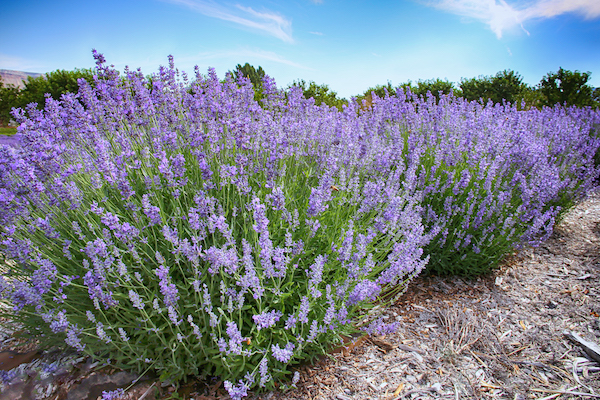
Lavandula angustifolia, commonly called English lavender, has been a mainstay of herb gardens for many years. Despite its common name, it is not in fact native to England, but comes primarily from the Mediterranean region. It was reportedly named English lavender because of its ability to grow well in the English climate. This “true lavender” is commercially planted for harvesting its oils for use in perfumes. Lavender flowers and foliage are also popular additions to sachets and potpourris. English lavender varieties are more often used for culinary purposes than other types of lavender. This is a semi-woody plant that typically grows to 1.5-3’. Narrow, gray-green leaves (to 2 1/2” long) on square stems. Purple flowers appear in terminal spikes in late spring to early summer. Both foliage and flowers are highly aromatic. Leaves are evergreen in warm winter climates.
Lavender
Lavandula angustifolia 'Folgate' is an English lavender cultivar known for its early-blooming, fragrant, violet-blue flowers and compact, tidy habit. It features narrow, gray-green, aromatic foliage and is suitable for landscaping, bouquets, culinary uses, and creating sachets or crafts. The plant is hardy, drought-tolerant, and a popular choice for its high oil yield and sweet scent. Blooms early summer, earlier than most varieties. Uses include: Landscaping, borders, bouquets, culinary dishes, sachets, potpourri, and crafts.
Lavender
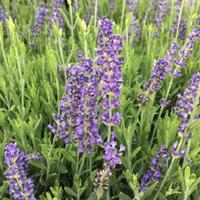
Perennial Shub , full sun, blooms early spring and late summer. uses include: culinary herb, cut or dry Flower. grows 11-13 inches high and a habit of 9-11 inches.
Lavender
Lavandula angustifolia 'Edelweiss' is a white-flowering lavender cultivar known for its fragrant foliage and flowers, long bloom time, and deer-resistant properties. It is a mid-sized, evergreen perennial that forms rounded mounds of silvery-green leaves and produces white flowers that start as pale pink buds. This cultivar is suitable for culinary uses, crafts, and pollinator gardens.Can grow to 2-3 feet high and wide.
Lavender

Lavender
A stunning variety, 'Ellagance Snow' English Lavender has masses of beautiful white flower spikes above lovely grey-green foliage. Sweetly scented, it attracts bees and butterflies while discouraging deer and rabbits. This award-winning variety’s compact form and abundant flowers make it an ideal addition to a small space, rock garden, border, or container. (Lavandula angustifolia)
Lavender
Lavandula angustifolia, commonly called English lavender, has been a mainstay of herb gardens for many years. Despite its common name, it is not in fact native to England, but comes primarily from the Mediterranean region. It was reportedly named English lavender because of its ability to grow well in the English climate. This “true lavender” is commercially planted for harvesting its oils for use in perfumes. Lavender flowers and foliage are also popular additions to sachets and potpourris. English lavender varieties are more often used for culinary purposes than other types of lavender. This is a semi-woody plant that typically grows to 1.5-3’. Narrow, gray-green leaves (to 2 1/2” long) on square stems. Purple flowers appear in terminal spikes in late spring to early summer. Both foliage and flowers are highly aromatic. Leaves are evergreen in warm winter climates.

Lavender
Lavender
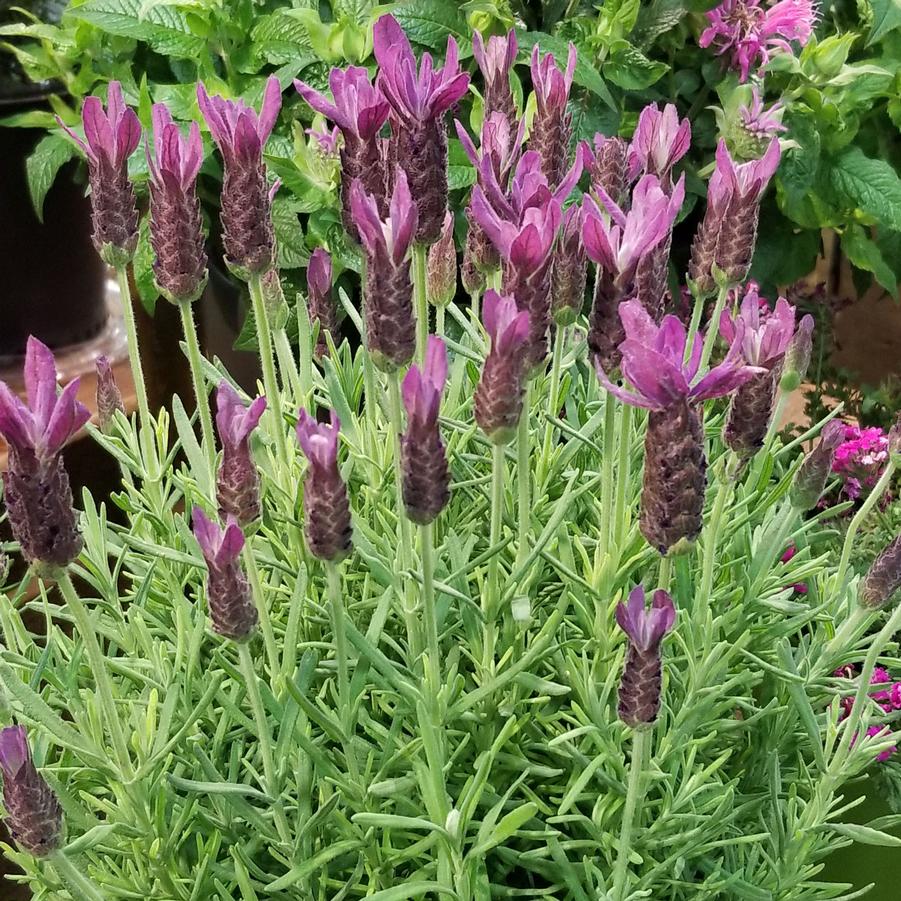
Lavandula dentata, or French/Fringed Lavender, is an aromatic evergreen shrub known for its gray-green, toothed leaves and pale purple flowers that bloom nearly year-round in mild climates. It is a semi-woody, bushy plant that grows up to 3 feet tall and 5 feet wide, with a classic lavender fragrance that is less sweet than English lavender. It is popular for borders, containers, and attracting pollinators, and its flowers and leaves are used in crafts and potpourri.
Description
Leaves: Gray-green, toothed, and lance-shaped with a light, woolly texture. The botanical name dentata refers to these "toothed" or fringed edges.
Flowers: Pale lavender-blue, on short spikes that rise above the foliage. Each flower spike is topped with a showy, pale violet bract.
Scent: Strongly aromatic with a classic lavender fragrance, though some find it more rosemary-like and less sweet than English lavender.
Growth habit: Upright, dense, multi-stemmed evergreen shrub with a mounded form.
Size: Typically reaches 3 feet in height and 4 to 5 feet in width.
Bloom time: Can bloom nearly year-round in mild climates, with peak flowering in fall and early winter.
Lavender
This plant can be used as a border or low hedge and in mass plantings, or containers. A versatile companion, it is well suited for a wide variety of gardens, including butterfly, pollinator, children's, cutting, edible, herb, and rock gardens. It is also appreciated in a garden for the blind
Lavender
Phenomenal lavender is a highly hardy lavender variety known for its resilience, striking appearance, and fragrance. It features mounds of silvery-green foliage topped with tall spikes of bluish-purple flowers in summer. The plant is valued for its tolerance to heat, humidity, and cold, as well as its disease resistance, making it a popular and reliable choice for borders, containers, and mass plantings

Lavender
Mulch with rock, no organic mulches please
Information provided on the traditional uses and properties of herbs are for educational use only, and is not intended as medical advice. You should always check with your health care practitioner before self-administering herbs.

Leadplant
Leadplant (Amorpha canescens) is a North American perennial shrub known for its distinctive silver-gray, hairy leaves and spikes of purple flowers that bloom from late spring to early summer. It is characterized by its multiple stems that reach up to 3 feet tall, deeply penetrating taproot, and its ability to fix nitrogen. Its unique foliage is often covered in fine, gray hairs, giving it the common name "leadplant"

Lemon Verbena
Lemon verbena (Aloysia triphylla) is a woody shrub or small tree with fragrant, narrow green leaves that release a strong lemon scent when crushed. can grow 6 ft tall and up. It has small, pale white or lilac flowers that appear in small clusters in summer and fall. This plant, also called lemon beebrush, thrives in full sun and well-drained soil, making it popular for culinary use in teas, desserts, and potpourri.
Description
Leaves: Long, narrow, and lance-shaped, arranged in whorls of three. They have a strong, aromatic lemon scent and flavor.
Flowers: Small, pale white or lilac, with four petals, arranged in terminal clusters.
Size: Grows as a deciduous shrub or small tree, reaching up to 15 feet in height in tropical climates.
Habit: Can become leggy, so it benefits from pruning to maintain a more compact and bushy shape.
Hardiness: A tender perennial, hardy in zones 8–11. It may become deciduous and drop its leaves in cooler weather or be killed back to the ground by frost, but can survive brief temperatures down to about 6°F with protection.

Lemongrass
Lemongrass (Cymbopogon$ \(citratus\)) is an evergreen perennial in warm climates grass with a citrus scent, forming dense, clumping mounds of long, arching, bluish-green leaves that can grow 2–4 feet tall. Its leaves have sharp edges and are used for flavoring in culinary applications, while the plant also has ornamental uses. It thrives in warm, sunny conditions with well-draining soil and is native to the Indian subcontinent and Southeast Asia. Description and growth Appearance: Forms dense clumps of grass with long, linear, strap-like leaves that arch gracefully.Size: Typically grows to a height and width of 2–4 feet, though some clumps can get larger.Foliage: Leaves are bluish-green, sometimes with a reddish or yellowish hue in the fall, and have a strong lemon fragrance when bruised or crushed.Edges: The edges of the leaves are finely serrated and can be sharp.Flowers: It rarely flowers, especially outside its native tropical habitat. When it does, it produces inconspicuous, greenish-white flowers on long stalks.Roots: Spreads by underground rhizomes and can be propagated by dividing the root clump or starting from a fresh stalk with roots. In Missouri this plant will not winter over.

Lions Tail
Winter hardy to USDA Zones 8-11. North of Zone 8, it is a good winter-flowering conservatory plant that can otherwise be somewhat tricky to grow. In St. Louis, this shrubby tropical plant may be grown as an annual bedding plant from seed sown each spring or as a tender perennial in containers that are overwintered indoors. If grown as an annual, seed should be started indoors in winter or sown in the garden before the last frost date for flowering in fall. If grown as a tender perennial, seed can be sown in containers which are moved outside after last frost date. If flowering occurs on container plants in fall, plants may be overwintered in bright sunny locations with flowering continuing into winter. If container plants do not flower in fall, then they should be overwintered indoors in a cool location with bright light and returned outdoors after last frost date, with flowering usually occurring in late spring to summer. Cuttings may be taken in spring from overwintered plants or from garden plants in summer for overwintering. Plants are not particularly fussy about soil type, and are easily grown in average, medium, well-drained soils in full sun. Tolerates some light shade. Likes regular moisture.

Lovage
Lovage (Levisticum officinale) is a hardy perennial herb in the parsley family (Apiaceae) that is valued for its strong, celery-like flavor with hints of parsley and anise. It is used extensively in European cuisine and every part of the plant is edible, including the leaves, stems, roots, and seeds.
Description and Growth
Lovage grows as a large, vigorous plant, can reach up to 6-8 feet in height, with glossy, dark green leaves that resemble large flat-leaf parsley or celery leaves. It is easy to grow in a garden, preferring rich, moist, well-drained soil in full sun or partial shade, and is hardy in cold climates. The plant is low-maintenance and will return every spring from its robust root system

Mallow
Hibiscus lasiocarpos, commonly called rose mallow, is a Missouri native plant which typically occurs in wet soils along ponds and sloughs, in ditches or in wet woods, sometimes forming large colonies. A vigorous, erect, often woody-based perennial that typically grows 4-6' tall (infrequently larger) and features showy, hollyhock-like, 5-petaled, white or rose flowers (4-6" diameter) with magenta-crimson eyes. Flowers are borne in the upper leaf axils. Each flower has a prominent and showy center staminal column. Perhaps the largest flower of the native Missouri wildflowers. Long, mid-summer to fall bloom period. Ovate, serrate leaves (to 6" long). Leaves, stems and fruit capsules are distinctively hairy. It grows 3-7 feet in hieght and blooms July through October.

Marjoram
Tender perennial that is winter hardy to USDA Zones 9-10. Elsewhere it is grown as an annual. It performs well in average, dry to medium, well-drained soils in full sun. Prefers neutral to alkaline soils. Thrives in gritty, sandy loams. Superior soil drainage is the key to growing this plant well. Good heat and drought tolerance. Start seed indoors about 6 to 8 weeks prior to last spring frost date or sow seed outdoors about two weeks prior to last spring frost date. New plants may also be purchased in cell packs at local nurseries. Cut back stems before flowers appear to encourage bushy growth. Leaf flavor is usually best before flowers bloom. Container plants may be brought indoors in fall before frost, but they usually do not overwinter well.
Origanum majorana, commonly called sweet marjorum, is a bushy sub-shrub with aromatic foliage that typically grows in an upright mound to 1-2' tall. It is widely cultivated as an annual culinary herb. Leaves are milder with a more delicate flavor than those of perennial oregano (Origanum vulgare). Sweet marjorum features branching, reddish, square stems that are densely clad with ovate, highly aromatic, pubescent, gray-green leaves (to 1.25" long). Tiny, two-lipped, tubular, white or pale pink flowers with gray-green bracts bloom in spike-like clusters from mid to late summer. Flowers are not particularly showy. Marjorum is a popular herb (fresh or dried) for seasoning soups, sauces, salads, stuffings, stews, roasts, vegetables and meats. Fresh leaves do not freeze as well as oregano leaves. Dried leaves are sometimes added to potpourris.

Mexican Marigold
Tagetes filifolia, commonly known as Irish Lace or Fernleaf Marigold, is a New World marigold prized for its delicate, fern-like foliage with a strong, sweet licorice or anise scent and flavor, making it a popular culinary herb for teas, salads, and drinks, and a useful ornamental plant in gardens. It's an annual herb that thrives in full sun and well-drained soil, often grown for its edible leaves and ability to repel some garden pests.

Milkweed
Asclepias syriaca, commonly called common milkweed, is a rough, weedy Missouri native perennial which commonly occurs in fields, open woods, waste areas, roadsides and along railroad tracks throughout the State (Steyermark). It typically grows 3-4' (less frequently to 6') tall on stout, upright stems with thick, broad-oblong, reddish-veined, light green leaves (to 8" long). Domed, slightly drooping clusters (umbels) of fragrant, pinkish -purple flowers appear mostly in the upper leaf axils over a long bloom period from late spring well into summer. Stems and leaves exude a milky sap when cut or bruised. Flowers give way to prominent, warty seed pods (2-4" long) which split open when ripe releasing their numerous silky-tailed seeds for dispersal by the wind. Seed pods are valued in dried flower arrangements. Flowers are a nectar source for many butterflies and leaves are a food source for monarch butterfly larvae (caterpillars). Blooms June through August

Milkweed
Easily grown in medium to wet soils in full sun. Surprisingly tolerant of average well-drained soils in cultivation even though the species is native to swamps and wet meadows. Plants have deep taproots and are best left undisturbed once established. Foliage is slow to emerge in spring.
Asclepias incarnata, commonly called swamp milkweed, is an erect, clump-forming, Missouri native plant which is commonly found in swamps, river bottomlands and wet meadows throughout the State. It typically grows 3-4' tall (less frequently to 5') on branching stems. Small, fragrant, pink to mauve flowers (1/4" wide), each with five reflexed petals and an elevated central crown, appear in tight clusters (umbels) at the stem ends in summer. Flowers are uncommonly white. Narrow, lance-shaped, taper-pointed leaves are 3-6" long. Stems exude a toxic milky sap when cut. Flowers are followed by attractive seed pods (to 4" long) which split open when ripe releasing silky-haired seeds easily carried by the wind. Flowers are very attractive to butterflies and hummingbirds as a nectar source. In addition, swamp milkweed is a food source for the larval stage of monarch butterflies.

Mint
Kentucky Colonel : Best grown in rich, moist soils in full sun to part shade. Adapts to a wide range of soils except dry ones. Large plantings may be sheared after bloom to remove flower spikes and stimulate new vegetative growth. Soil barriers may be used to restrain rhizomatous spread if plants are grown in borders or other areas where spread is unwanted.
Mentha spicata, commonly called spearmint, is a rhizomatous, upright perennial which is most commonly grown as a culinary herb and/or ground cover. It typically grows to 2' tall and spreads by rhizomes to form an attractive ground cover. It features ovate to lanceolate dark green leaves (to 3" long) and terminal spikes of small lilac to pink to white flowers in summer. Leaves have a strong spearmint fragrance and taste, and may be used to flavor teas, in salads, as a garnish or in pot pourris.

Mint
Orange Mint: Best grown in rich, moist soils in full sun to part shade. Adapts to a wide range of soils except dry ones. Large plantings may be sheared after bloom to remove flower spikes and stimulate new vegetative growth. Soil barriers may be used to restrain rhizomatous spread if plants are grown in borders or other areas where spread is unwanted.
Mentha × piperita is a rhizomatous, upright perennial which is most commonly grown as a culinary herb and/or ground cover. It typically grows to 2' tall and spreads by rhizomes to form an attractive ground cover. Features rounded to lance-shaped dark green leaves (1-2" long) and terminal spikes of small lavender flowers in summer. Leaves have a minty orange fragrance and taste and may be used to flavor teas or as a garnish or in potpourris. The x piperita hybrids are crosses between Mentha aquatica (watermint) and Mentha spicata (spearmint).

Mint
Apple Mint (Mentha suaveolens or Mentha × villosa) is a fuzzy, light green, apple-scented herb with rounded leaves, growing 1-2 feet tall with white to pink flowers in summer spikes, prized for teas, desserts, and savory dishes due to its mild, fruity flavor, spreading vigorously by rhizomes in sun or part shade. It will spread by the root. Avoid planting in uncontained areas. 1-2 feet in hights blooms July through August.
Mint
Mojito Mint (*Mentha x villosa), a hybrid of spearmint and apple mint (Mentha suaveolens), features large, fragrant, oval green leaves with a mild, sweet, citrusy flavor, ideal for mojitos and desserts; it grows vigorously with a spreading habit (needs containment in pots) and produces small lilac flowers, preferring moist soil and partial shade for best taste. Plants grow 2-3 feet high. Good container plant to prevent spread by roots.

Mint
Best grown in rich, light, moist but well-drained soils in full sun to part shade. Appreciates some afternoon shade in hot summer climates. Tolerates shady garden areas. Adapts to a wide range of soils except dry ones. Intolerant of drought. Tolerates limited foot traffic. Starter plants are typically planted 6-10" apart. Propagation is usually done by division. Freely self-seeds in optimum growing conditions. Plants are winter hardy to USDA Zone 6, but may be grown as annuals north of Zone 6 with plants continuing to appear in the garden for several years by self-seeding.

Mint
Thai Mint (Mentha arvensis) is an aromatic, vigorous perennial with dark green leaves and distinctive dark red stems, known for its strong, spearmint-like flavor in Thai cuisine, growing easily but spreading aggressively, often needing containers to control its growth, and producing small, lilac-pink flowers popular with pollinators