
Fruits & Vegetables List

Asparagus
Asparagus is a perennial vegetable that produces edible shoots or spears which may be harvested in April-May. Plants are male or female. Males do not have to expend energy in producing flowers and fruit and typically produce better crop yields. Plants eventually grow into towering ferns in the summer and then die off after frost and are dormant during the winter. Female plants produce red berries in late summer that will drop in autumn and can cause self-seeding problems.
Easily grown in average, medium, well-drained soil in full sun. Prefers organically rich soils that are evenly moist. Usually planted from roots (crowns). Roots take 2-3 years to produce a crop. May also be grown from seed, but this requires more expertise and care and takes about one year longer to produce the first crop. Plant roots or seed in early spring. Important to keep bed free of weeds.

Cucumber
Burpless
A burpless cucumber plant is a vigorous, fast-growing annual vine that produces long, smooth-skinned, deep green cucumbers. The plants grow 12-18 inches tall, can spread up to 4 feet, and typically require staking or a trellis for support. They thrive in full sun and fertile soil, growing well in both gardens and containers

Cucumber
Slicing cucumber plants are vigorous vines that produce long, cylindrical cucumbers with thinner skins and juicy flesh, ideal for fresh eating. They can have a vining or compact "bush" growth habit and prefer full sun. The plants themselves have broad leaves and yellow flowers, and their tendrils help them climb as they grow

Cucumber
Pickling cucumber plants are vigorous, vining plants that can grow to 16 feet long, although they are often trained to grow vertically on trellises to save space. They have lobed leaves, tendrils for climbing, and produce prolific amounts of medium-green, blunt-ended fruit, often 3-6 inches long, which can have small, white spines
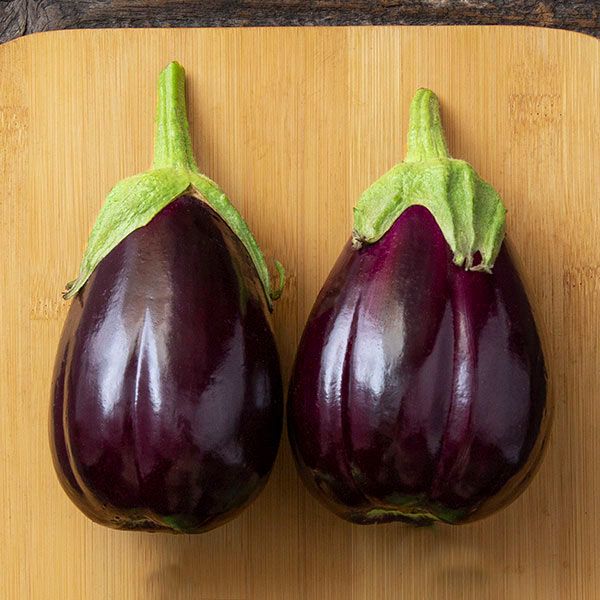
Eggplant
The Black Beauty eggplant is a renowned variety known for its large, bell-shaped, deep purple fruits. Maturing in approximately 80 days, this heirloom variety has been a staple since its introduction in the early 1900s. Its bushy plants are ideal for trellising, thriving in warm weather conditions. The Black Beauty eggplant is celebrated for its high yield and ease of cultivation, making it a favorite among gardeners and chefs alike. Black Beauty eggplants grow into bushy, spreading plants that reach up to 30 inches tall. They require full sun and well-draining soil with a slightly acidic pH. Planting should occur when soil temperatures are at least 60°F, with seedlings started indoors 6-8 weeks before the last frost date. Each plant can produce up to 12 large fruits, which should be harvested when they are 5-6 inches long and have a glossy appearance.
Start Indoors: Begin seedlings indoors 6-8 weeks before the last frost date to ensure optimal growth.
Provide Support: Use trellises or stakes to keep plants upright and fruits off the ground.
Maintain Soil Moisture: Mulch around plants to retain moisture and control weeds.
Monitor Temperature: Ensure soil temperatures are at least 60°F for planting
Eggplant
Japanese eggplants are elongated and slender, averaging 20 to 25 centimeters in length, and have an oblong to cylindrical shape, tapering slightly at the ends. The eggplants may appear curved or straight and are capped with a green or dark purple stem, depending on the variety. The skin is thin, smooth, glossy, and delicate, easily damaged, and ranges in color from royal purple to dark purple, almost black. Underneath the surface, the cream-colored flesh is tinged with green and is nearly seedless with a dense, firm, and spongy texture. Japanese eggplants should feel heavy for their size and appear relatively unblemished for the best quality. The eggplants must be cooked before consumption and develop a soft, tender, and creamy consistency, readily absorbing sauces, spices, and aromatics. Japanese eggplants also have a sweet and mild flavor with subtle vegetal, earthy undertones.

Eggplant
The Fairy Tale eggplant is a compact, high-yield plant that grows 18–24 inches tall and produces clusters of small, elongated, striped white and violet/purple fruits. The eggplants are sweet, non-bitter, have a tender skin, and can be harvested when 2–4 inches long. It's a great variety for containers and small spaces due to its petite size and continuous harvestSize: 18–24 inches tall and wide, making it ideal for containers and small gardens.
Light: Full sun, requiring at least 4–6 hours of direct sunlight.
Soil: Prefers fertile, well-draining soil.
Water: Keep soil consistently moist but not soggy.
F.Climate: Thrives in heat; best planted when nighttime temperatures are consistently above 65 deg.
Support: A light stake may be helpful to support the fruit, especially in container gardens, but is not always necessary

Golden Currant
Golden currant is a spineless shrub known for its sweet, fragrant yellow flowers that turn purplish with age and its edible, black, globe-shaped berries. The plant is a low-to-moderate growing shrub, up to 6 feet tall, that tolerates a wide range of soil and moisture conditions. Its berries have a tart but well-balanced flavor, with some sources comparing it to a raspberry with a subtle cranberry-like tartness.

Golden Current
Golden currant (Ribes aureum) is a non-spiny shrub with stems 4-5 feet tall and mostly three-lobed, maple-like leaves. The sweetly scented flowers are tubular and golden-yellow when fresh, but turn orangish to violet with age. The appearance of the blossoms in late March or early April is often one of the first signs of spring in many parts of the country. Found in roadside ditches, fencerows, thickets, montane meadows, and streamsides, Golden currant ranges from southern Canada to California, Arizona, South Dakota, and western Texas. Introduced as a garden plant in the 19th Century, it has also become naturalized in western and central Europe
Ground Cherry
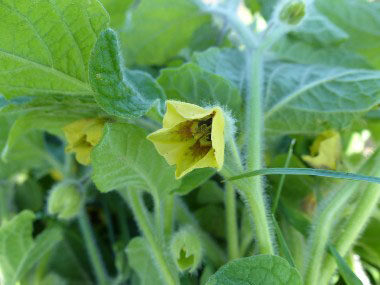
Common ground cherry is an erect, branched perennial. Flowers arise singly from leaf axils, bell-shaped, about 1 inch long, sulphur to lemon yellow, the inner surface with 5 purplish spots or smudges toward the base that are sometimes merged into a ring. Blooms May–September. Leaves alternate, long petioled, either entire or with lobelike teeth, the margins of the 2 sides unsymmetrical, ovate. Fruit the “ground cherry,” a berry in a crisp, papery husk, which is 5-sided, pointed, and lanternlike. They are ripe when they fall to the ground a yellow berry inside a paper lanturn. Taste good raw in a salad in jams or pies. They are rich in vitamins and antioxidants.

Pepper, Extremely Hot!!
"Wax pepper" often refers to Hungarian Hot Wax or similar mild, waxy-skinned peppers, while Capsicum chinense is the species for super-hots (Habanero, Scotch Bonnet) known for extreme heat and varied shapes/colors (red, orange, yellow, purple, chocolate), though some Chinese varieties (C. annuum like 'Chinese Five Color') offer ornamental multi-color fruit on one plant, turning purple to red. Images show waxy yellow/red peppers for eating and ornamental C. chinense with tiny, colorful, crinkled fruits.

Pepper, Hot
Jalapeños (Capsicum annuum) are popular, medium-sized chili peppers, typically 2-4 inches long, known for their glossy, conical shape, starting green and ripening red, with white flowers on bushy plants and a heat level from mild to moderately hot (4,000-8,500 SHU). They offer a fresh, grassy flavor when green, deepening to sweet and nutty when red, and are versatile for salsas, pickling, and cooking
Pepper, Hot
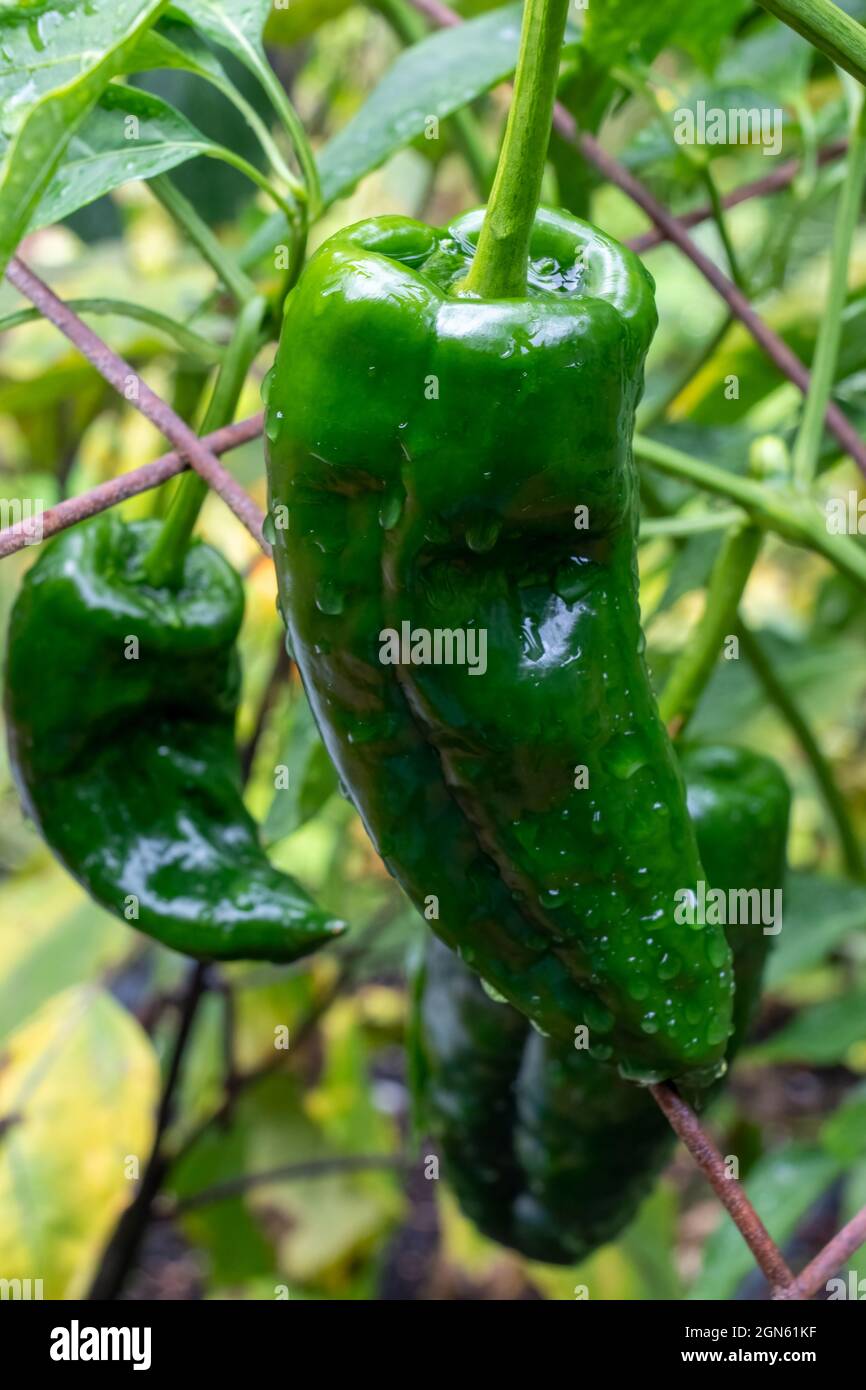
Capsicum annuum green chiles are diverse, ranging from mild, sweet bell peppers (harvested early) to fiery jalapenos or serranos, all shiny green when unripe, with smooth or wrinkled skin, crisp flesh, and star-shaped white flowers, forming bushy plants that are harvested green for savory dishes, salsas, and spices

Pepper, Serrano
Serrano peppers are slender, 1-3 inch Mexican chilies with smooth skin, typically green when unripe and turning red, orange, or brown as they mature, offering a bright, grassy flavor and heat much stronger than jalapeños (10k-25k SHU). Visually distinct by their straight, tapered shape and smooth texture, they're great fresh in salsas, guacamole, and hot sauces for a clean, crisp heat.
Pepper, Sweet
Sweet mini bell peppers are small, colorful (red, yellow, orange) peppers, shaped like tiny bells, with smooth skin, thick crisp flesh, and a mild, very sweet flavor, making them perfect for healthy snacking, salads, stuffing, or grilling as they're crunchier and sweeter than regular bells with fewer seeds and no heat

Pepper, Sweet
he Sweet Banana Pepper plant is a productive, mild pepper variety with elongated, curved yellow fruits (turning red when mature) that are sweet and waxy, perfect for pickling, salads, or frying; the plants grow 2-3 feet tall with green foliage, thrive in full sun, and produce heavily, making them great for containers or gardens.

Pepper, Sweet
The Sweet Gypsy pepper is a prolific, easy-to-grow sweet pepper known for its crunchy, mild, sweet flavor and versatility, featuring elongated, tapered fruits that ripen from pale yellow to orange and then red on bushy, compact plants. It's a favorite for fresh eating, salads, frying, stuffing, and dips, offering vibrant color and excellent yield

Pepper, Sweet
The Golden California Wonder pepper is a sweet, blocky bell pepper, a yellow-ripening sport of the classic Red California Wonder, featuring thick walls, a mild flavor, sturdy upright plants (22-30" tall), maturing from green to a deep golden yellow, with fruit around 4-5" and great for short seasons or containers, offering excellent yields

Pepper, Hot
Habanero
"Habanero-type" peppers are a pepper species native to parts of South America. Like other pepper species, the fruits are brightly colored and used worldwide for food, spice, and medicine. It contains some of the hottest peppers to exist, such as 'Carolina Reaper'.
Grow in rich, moist, well-drained soil in full sun. Plant only when nighttime temperatures are at least 55F; seedlings may be started indoors earlier and transplanted at this time. These plants enjoy heat and tolerate drought, though prolonged drought may affect fruit quality. These plants are resistant to deer browsing.
SKU 100,000 to 350.000

Pepper, Hot
Capsicum annuum (Cayenne) peppers are long, slender, hot chili peppers, typically red when ripe, with wrinkled skin and a tapered, curved tip, known for their fiery flavor used in powders, sauces, and spice blends, growing on bushy plants needing full sun, fertile soil, and warm weather, recognizable by their white flowers and glossy, spicy fruits that add heat to dishes
Pepper, Mild
Poblano Pepper is an annual vegetable plant that is typically grown for its edible qualities, although it does have ornamental merits as well. It produces dark green peppers (which are technically 'berries') which are usually ready for picking from mid summer to early fall. The fruit will often fade to dark red over time. The peppers have a mild taste and a crisp texture.

Pepper, medium to hot
The Serrano pepper (Capsicum annuum 'Serrano') is a small, finger-shaped chili from Mexico, known for its bright, fresh, grassy flavor and medium-hot heat (10k-25k SHU), making it spicier than a jalapeño, and is perfect for fresh salsas, sauces, and pico de gallo, maturing from green to red or other colors on bushy plants that typically grow 1-3 feet tall.

Pepper, Extremely Hot
fiery, fruity, and flavorful Caribbean chili pepper, Capsicum chinense ‘Scotch Bonnet’, commonly known as Scotch Bonnet Pepper, is prized for its intense heat and sweet, tropical undertones. This heat-tolerant, high-yielding plant thrives in warm climates, producing small, wrinkled, lantern-shaped peppers that are perfect for Caribbean dishes, jerk seasoning, hot sauces, and spicy salsas. Heat level of 100,000-350,000 Scoville units (as hot as or hotter than a habanero. Be careful with handling extreme heat in oils.

Pepper, Extremely Hot
The ghost pepper (Capsicum chinense), also known as Bhut Jolokia, is a globally recognized extremely hot chili pepper, native to Northeast India. It is famous for its intense heat, typically rated at over one million Scoville Heat Units (SHU)

Pepper, Extremely Hot!!
The Carolina Reaper (a Capsicum chinense cultivar) is a famously hot, red, gnarled pepper with a distinctive scorpion-tail point, known for its fruity sweetness followed by intense, lingering heat (over 1.5 million SHU). It's a visually striking ornamental that's used in extreme hot sauces, originating from South Carolina as a cross between Pakistani Naga and Red Habanero peppers.

Pepper, Mild heat
The shishito pepper (Capsicum annuum) is a small, slender, and often wrinkled East Asian chili pepper known for its generally mild flavor and surprising occasional heat. The name refers to the fact that the tip of the chili pepper looks like the head of a lion (shishi) in Japanese.

Pepper, Sweet
The Sweet Red Beauty pepper plant (a Capsicum annuum) is a sturdy, prolific plant known for its blocky, four-lobed, thick-walled bell peppers that ripen from green to a glossy, sweet red, perfect for salads, stuffing, or fresh eating. These upright plants grow to about 24 inches, need full sun, good soil, and support (staking) as they get heavy with fruit, offering juicy, non-spicy flavor and vibrant color when mature.

Pepper, Sweet
Red Knight F1 is a hybrid bell pepper that matures early in about 64 days, producing extra-large blocky fruit that ripen from dark green to bright red. The vigorous plants are highly productive, with a strong disease package that ensures reliable yields. Known for its size, sweet flavor, and early maturity, Red Knight F1 is excellent for stuffing, grilling, and fresh market sales, making it a dependable choice for growers and gardeners alike. 1-2 feet hieght.

Pepper, Sweet Bell
The Purple Beauty pepper is a sweet, blocky bell pepper (0 SHU) known for its stunning color change from green to deep eggplant-purple, then red, with a crisp texture, thick walls, and sweet flavor, perfect for salads or cooking; plants are compact (18-24 inches), productive, and ideal for containers, producing large, 3-4 inch fruits that turn green when cooked.

Pepper, Sweet Bell
An orange sweet bell pepper plant is a compact, bushy annual (or perennial in warm zones) from the Capsicum annuum family, growing 1-3 ft tall, producing glossy green leaves, white flowers, and blocky, thick-walled, sweet, juicy orange fruits that ripen from green, offering great flavor for eating fresh or cooked, ideal in full sun with well-drained soil

Prickly Pear
The Prickly Pear (genus Opuntia) is a flat, paddle-like cactus known for its jointed stems (pads), which store water and grow in clusters, featuring clusters of tiny, barbed hairs (glochids) and often large spines from dots called areoles, producing bright yellow, orange, or pink flowers and edible, brightly colored fruits (tunas) that taste like watermelon/berry, making them tough, drought-tolerant succulents great for arid areas

Rhubarb
A rhubarb plant is a large, herbaceous perennial with huge, heart-shaped leaves on thick, edible stalks (petioles) that are red or green, growing 2-4 feet tall from a crown with fleshy roots. While the stalks are tart and used in cooking, the large leaves contain poisonous oxalic acid, making them inedible, and the plant sends up tall flower stalks later in the season that should be removed to preserve energy

Squash
Spaghetti
Spaghetti squash (a Cucurbita pepo variety) is a vigorous, fast-growing annual vine with large, lobed leaves and yellow flowers, producing oblong, smooth, creamy-yellow fruits that, when cooked, yield spaghetti-like strands of flesh, making it a popular pasta substitute. These plants need full sun, moist, well-drained soil, and ample space (3-4 ft apart) to thrive, with mature plants reaching about 2 ft tall and spreading several feet.

Squash
The butternut squash plant, is a vigorous, vining annual with large, hairy, lobed leaves often marked with white spots, producing yellow flowers and its iconic tan, bell-shaped fruit with sweet orange flesh, thriving in sun and well-drained soil with plenty of space for its long stems

Strawberry
Strawberries are a rosette-forming, broadleaf evergreen perennial in the Rosaceae (rose) family and originated in Europe as an accidental cross between a North American species and one from Chile. They are widely grown in gardens and commercially for the sweet red fruits. They grow 6 to 12 inches high and 1 to 2 feet wide and are generally classed as either June bearing or ever-bearing types

Strawberry
The Alpine Strawberry (Fragaria vesca) is a charming, low-growing perennial known for its small, flavorful red (or sometimes white) berries, dainty white flowers, and attractive, toothed, trifoliate green leaves, forming neat mounds or groundcover, often without runners, making it great for paths or containers. These hardy plants produce sweet, tiny fruits all summer and attract pollinators, offering a sweet, edible groundcover alternative to lawn.
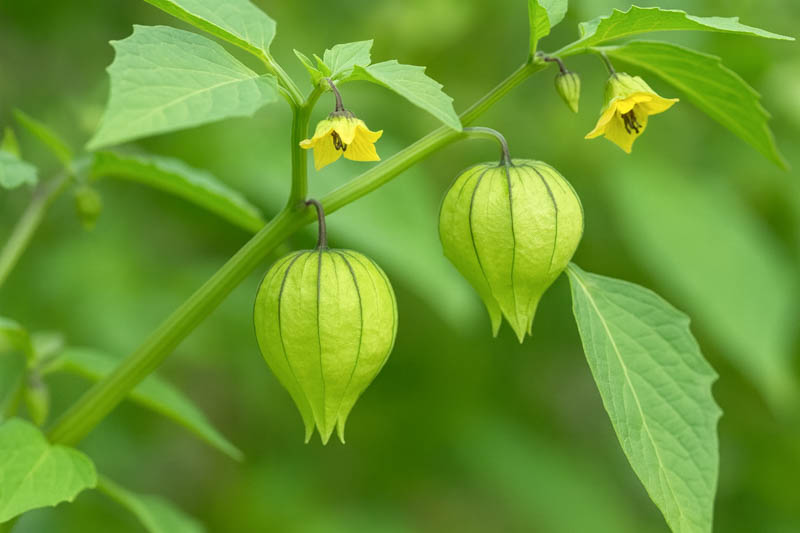
Tomatillo
Tomatillos are sprawling, bushy plants known for producing a unique fruit enclosed in a papery husk. The plant itself is a relative of the tomato, both belonging to the nightshade family, but they are a different species entirely

Tomato, Beefsteak
The Brandywine Beefsteak tomato is a beloved heirloom known for its large, pinkish-red, ribbed beefsteak fruits with superior sweet, rich flavor, growing on distinct plants with potato-leaf foliage and an indeterminate (vining) habit, maturing late (80-100 days) but yielding delicious, meaty slices ideal for sandwichesThe Brandywine Beefsteak tomato is a beloved heirloom known for its large, pinkish-red, ribbed beefsteak fruits with superior sweet, rich flavor, growing on distinct plants with potato-leaf foliage and an indeterminate (vining) habit, maturing late (80-100 days) but yielding delicious, meaty slices ideal for sandwiches

Tomato, Beefsteak
The Brandywine Beefsteak tomato is a beloved heirloom known for its large, pinkish-red, ribbed beefsteak fruits with superior sweet, rich flavor, growing on distinct plants with potato-leaf foliage and an indeterminate (vining) habit, maturing late (80-100 days) but yielding delicious, meaty slices ideal for sandwiches

Tomato, Cherry
Ground Cherry, is a low, sprawling nightshade plant (1-2 ft tall) producing sweet, tangy, pineapple-like golden berries inside papery, lantern-like husks that drop to the ground when ripe, resembling tiny tomatoes; they're easy to grow, like tomatoes, and known for their unique sweet-tart flavor in salads, pies, and jams, but only ripe fruits are edible.

Tomato, Cherry
Sungold cherry tomatoes are small, round fruits, averaging two centimeters in diameter, that grow in clusters of 10 to 20 fruits. The bite-sized tomatoes have thin, taut, smooth, and glossy skin, ripening from green, gold, to dark orange when mature. There is also a slender, fibrous, green stem with a five-pronged base covering the top of the fruits. Underneath the surface, the flesh is soft, aqueous, and orange, encasing a few edible seeds. Sungold cherry tomatoes have a crisp, tender, and juicy, popping consistency with an exceptionally sweet, fruity flavor mixed with savory, tropical undertones.

Tomato, Cherry
The Black Cherry tomato (Solanum lycopersicum) is an heirloom indeterminate variety known for its deep, dusky purple to mahogany-brown, marble-sized fruits with rich, sweet, smoky, and complex flavors, growing on vigorous, sprawling vines needing support (caging/staking) in full sun. The plant features typical green, hairy foliage and yellow flowers, producing prolifically from summer to fall for fresh eating or cooking, adding unique color and taste to dishes

Tomato, Cherry
The Super Sweet 100 tomato (Solanum lycopersicum) is a vigorous, indeterminate hybrid known for huge clusters (100+) of candy-sweet, 1-inch red cherry tomatoes, growing tall (8-12 ft) and requiring staking/caging, ideal for snacking and salads due to its prolific, sugary, disease-resistant fruit on long, trailing vines
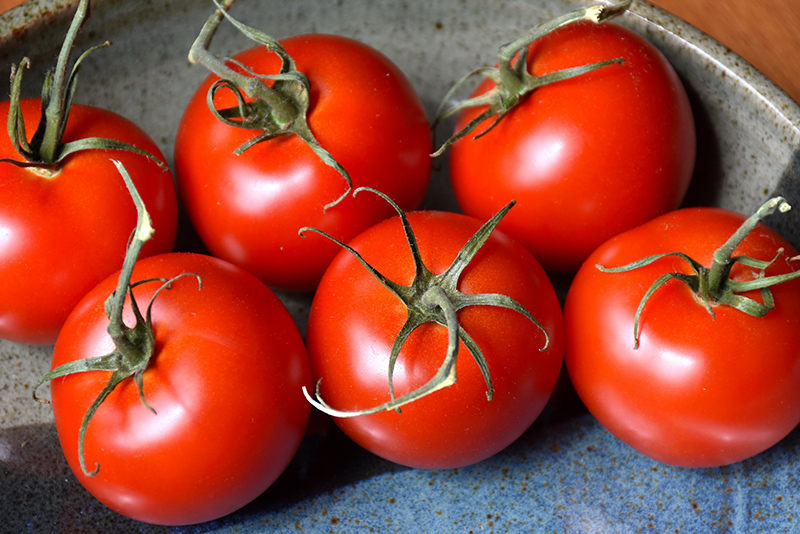
Tomato, Determinate
A beautiful variety perfect for patio containers and small garden spaces; producing bright red fruit all season long; sweet and firm, great for children to snack on, salads, fresh eating and shish-kebabs; disease resistant; requires staking or caging

Tomato, Grape/Pear
The grape and pear tomato plants are varieties of the species Solanum lycopersicum (garden tomato), a tender perennial typically grown as an annual in most climates. They produce small, distinctly shaped, edible fruits (berries) used as culinary vegetables.

Tomato, Grape/Pear
The grape and pear tomato plants are varieties of the species Solanum lycopersicum (garden tomato), a tender perennial typically grown as an annual in most climates. They produce small, distinctly shaped, edible fruits (berries) used as culinary vegetables.

Tomato, Grape/Pear
The grape and pear tomato plants are varieties of the species Solanum lycopersicum (garden tomato), a tender perennial typically grown as an annual in most climates. They produce small, distinctly shaped, edible fruits (berries) used as culinary vegetables.

Tomato, Large
The Boxcar Willie tomato (Solanum lycopersicum) is a reliable, indeterminate heirloom known for its vigorous, tall vines (5-6 ft) needing support, heavy yields of large (10-16 oz), round-to-flattened, reddish-orange fruits with a sweet, balanced, old-fashioned flavor, excellent crack resistance, and disease tolerance, making it a versatile favorite for fresh eating, sauces, and canning

Tomato, Large Beefsteak
The 'Old German' tomato (Solanum lycopersicum) is a large, heirloom beefsteak variety known for its sweet, juicy, red-and-gold streaked fruit, growing on tall, indeterminate plants needing support, prized for slicing with an excellent old-fashioned flavor. Plants are vigorous but not always heavy producers, featuring hairy stems and compound leaves, producing yellow flowers, and developing huge, meaty, bicolor tomatoes up to 1-2 lbs, best in full sun with rich soil and consistent water.
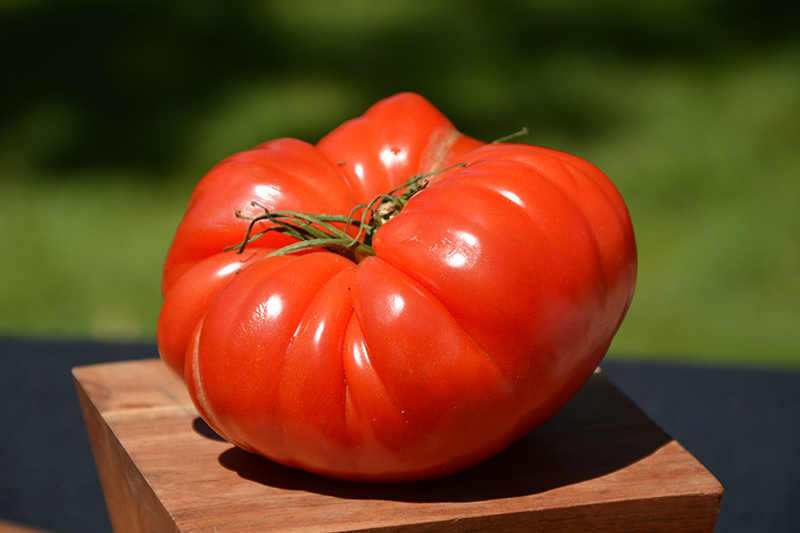
Tomato, Large Beefsteak
An heirloom, beefsteak variety that is early to produce large, lobed red fruit; acidic tomato flavor with less seeds, ideal for slicing and canning; thriving in heat, it performs wonderfully in containers and gardens; staking is recommended.

Tomato, Medium
Cherokee Purple
The Cherokee Purple tomato (Solanum lycopersicum) is an Indeterminate Heirloom known for its large, dusky-purple beefsteak fruits with rich, sweet, smoky flavor, growing as a vigorous vine needing support (stakes/cages) in full sun with well-drained soil, producing all season. Plants get tall (around 4ft+), require consistent moisture, and benefit from deep planting to encourage strong roots.

Tomato, Medium
Black Krim
The Black Krim tomato (Solanum lycopersicum) is a popular heirloom beefsteak, known for its rich, smoky, slightly salty flavor and unique dark reddish-black skin with green shoulders when ripe, growing on vigorous, tall indeterminate vines needing support. Plants produce medium-to-large, flattened globe tomatoes (8-12 oz), ideal for slicing, fresh eating, and gourmet use, thriving in full sun with consistent moisture and rich soil.

Tomato, Medium
Arkansas Traveler
he Arkansas Traveler tomato (Solanum lycopersicum) is a beloved, indeterminate heirloom known for its heat/drought tolerance, producing medium, round, pink fruits with a mild, sweet flavor, excellent for slicing or sauces, and famed for resisting cracking even in tough Southern conditions. These plants grow tall (up to 5-6 ft), requiring staking, and yield continuously through summer into fall, offering juicy, crack-resistant, pink-skinned tomatoes prized for their classic taste and adaptability.

Tomato, Medium
The Green Zebra tomato (Solanum lycopersicum) plant is a high-yielding, indeterminate (vining) heirloom variety known for its distinctive, visually striking fruit.
Tomato, Sauce
The Roma tomato (Solanum lycopersicum 'Roma') is a popular, firm, meaty plum-shaped tomato, perfect for sauces due to its low water & seed content, growing on determinate plants (around 3-4 ft) that yield a large, quick crop of red, oval fruits (2-3 inches) excellent for canning and paste, offering high yields with disease resistance
Tomato, Sauce
San Marzano
The San Marzano tomato (Solanum lycopersicum 'San Marzano') is an heirloom, indeterminate paste tomato known for its elongated, pointy shape, thick meaty flesh, fewer seeds, and rich sweet flavor, making it perfect for sauces; these tall, prolific plants need sun, support (stakes/cages), and consistent water, producing flavorful, crack-resistant fruit ideal for canning and cooking
Tomato, Beefsteak
The Brandywine Beefsteak tomato is a beloved heirloom known for its large, pinkish-red, ribbed beefsteak fruits with superior sweet, rich flavor, growing on distinct plants with potato-leaf foliage and an indeterminate (vining) habit, maturing late (80-100 days) but yielding delicious, meaty slices ideal for sandwiches

Tomato, Large Beefsteak
Goliath
The Goliath tomato (Solanum lycopersicum) is a vigorous, indeterminate beefsteak variety known for huge, meaty, juicy red fruits (1-2 lbs) excellent for slicing, thriving with support like staking or caging, and offering disease resistance, with a classic flavor for fresh eating or cooking

Tomato, Large Beefsteak
Mortgage Lifter
The Mortgage Lifter tomato (Solanum lycopersicum) is a prized heirloom beefsteak, known for massive, meaty, pinkish-red fruits (1-2 lbs+) with sweet, rich flavor, perfect for slicing. As an indeterminate vine, it grows tall (6-9 ft) and sprawling, needing strong support like cages or stakes, producing fruit all season in about 80-85 days after transplanting, offering excellent productivity and disease resistance for classic tomato lovers
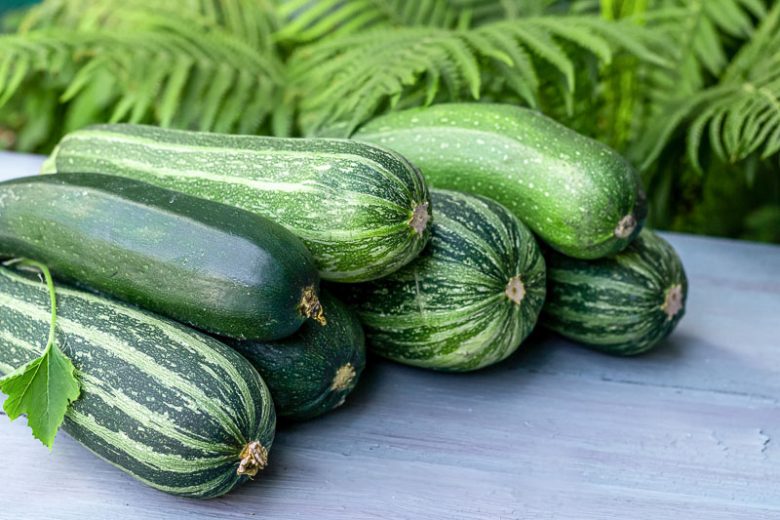
Zucchini
The zucchini plant (Cucurbita pepo) is a fast-growing, warm-season annual herbaceous plant known for its edible summer squash. While most Cucurbita species are vining, modern zucchini cultivars are typically bushy and non-vining, making them suitable for smaller gardens or large containers